|
Getting your Trinity Audio player ready… |
Table of Contents
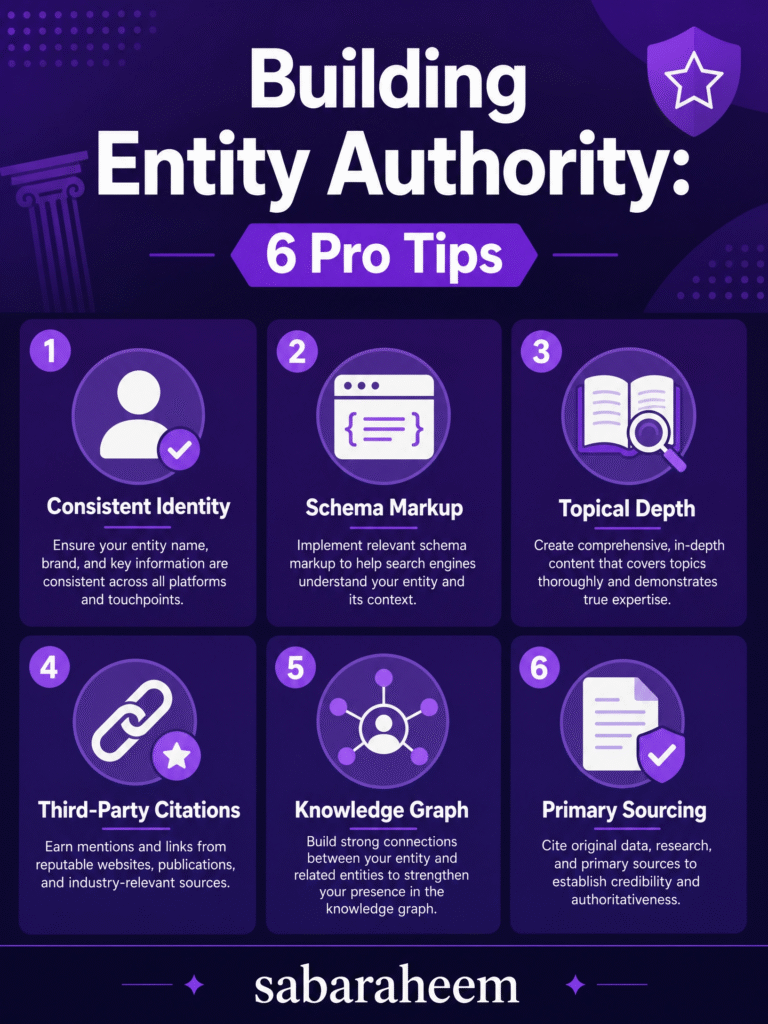
| Personal branding builds entity authority in AI search by establishing you as a named, verifiable, consistently described person whom search engines and AI systems can confidently cite. AI systems like ChatGPT, Perplexity, and Google AI Mode are far more likely to attribute information to a recognized individual with documented expertise than to anonymous or generic corporate content. Personal branding creates the consistent name usage, credential verification, external citations, and entity relationships that transform a content creator into a citable entity. |
Introduction: Why AI Systems Prefer People Over Brands
Here is something most businesses have not internalized yet: AI search engines trust people more than they trust companies.
This sounds counterintuitive at first. Companies have bigger budgets, more content, and longer operating histories than most individuals. But AI systems are trained to evaluate trustworthiness, and trustworthiness in their training data overwhelmingly correlates with named, accountable, verifiable human authorship rather than anonymous corporate voice.
When ChatGPT or Perplexity generates an answer about SEO strategy and needs to decide whose content to cite, it is not choosing between ‘Company A’ and ‘Company B.’ It is implicitly asking: who actually said this, are they a real recognized expert, and can I verify that claim against other sources. A personal brand answers all three questions clearly. An anonymous ‘Content Team’ byline answers none of them.
This is the practical mechanism behind a concept covered in the Entity SEO pillar guide: personal branding is not just a marketing nicety in 2026. It is the fastest, most direct way to build the entity authority that AI systems require before they will cite you.
1. The Direct Connection Between Personal Branding and Entity Authority
Entity authority is Google and AI systems recognizing you as a real, defined, trustworthy source. Personal branding is the deliberate practice of establishing a consistent, recognizable professional identity. These two concepts converge almost completely.
| Personal Branding Activity | Entity Authority Outcome |
|---|---|
| Using your real name consistently everywhere | Google and AI systems recognize one stable entity instead of several fragmented, unclear identities |
| Publishing a clear, consistent professional bio | Establishes your canonical entity description that gets reused in AI-generated answers |
| Building a recognizable visual identity (photo, logo, colors) | Helps humans and search engines distinguish your entity from similarly named people |
| Sharing expertise consistently on one or two platforms | Builds the topical association between your entity and your area of expertise |
| Being interviewed, quoted, or featured externally | Creates third-party entity citations that confirm your authority independently |
| Maintaining the same credentials story over time | Builds long-term trustworthiness rather than a shifting, unclear narrative |
This connection is why personal branding has become one of the highest-leverage SEO activities available, even though it does not look like traditional SEO at all. There is no keyword research involved. There is no backlink campaign. There is simply: be a clearly defined, consistently described person, and let that consistency compound into entity recognition.
2. The Three Pillars of Personal Brand Entity Authority
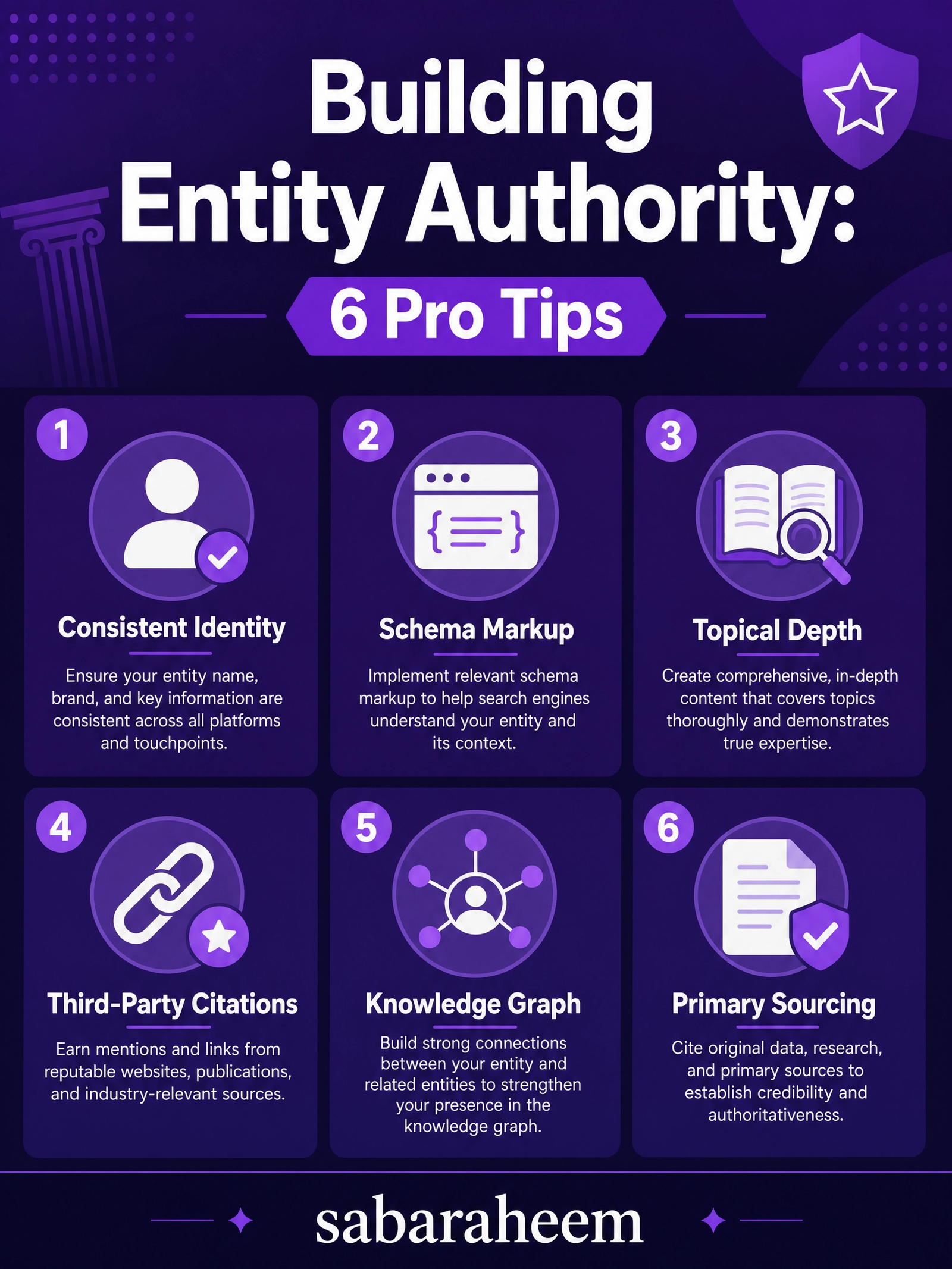
| 🎯 Pillar 1Identity ConsistencyAI systems and search engines need to confirm that the ‘you’ mentioned on your website is the same ‘you’ mentioned on LinkedIn, in a guest article, and in a podcast appearance. Without consistency, your entity signals fragment instead of compounding.How to build identity consistency:Use your full legal name identically across every platform: website, LinkedIn, Twitter, guest bylines, conference listingsWrite one canonical bio paragraph and reuse it with minor adaptation everywhere you appearUse the same professional headshot across all profiles for visual entity confirmationImplement Author Schema with sameAs properties linking your website author profile to every external profile |
| 📜 Pillar 2Verified ExpertiseA personal brand without demonstrable expertise is just a consistent name. The entity authority comes from AI systems being able to verify that your claimed expertise is real, specific, and substantiated.How to build verified expertise:Document specific, measurable results rather than vague claims: ‘grew organic traffic by 110% for a client persona’ rather than ‘experienced SEO professional’Publish case studies and first-person experience that only you could have producedList verifiable credentials, certifications, and years of specific experience in your bioMaintain a portfolio or case study archive that backs up every expertise claim with evidence |
| 🌐 Pillar 3External ValidationThis is the pillar most personal brands neglect, and it is the one that matters most to AI systems. Self-description is not enough. AI systems weight external, independent confirmation far more heavily than what you say about yourself.How to build external validation:Get quoted, interviewed, or featured in industry publications with DA 60 or aboveAppear as a guest on podcasts or webinars within your nicheBuild genuine client testimonials that mention you by name and describe specific outcomesCreate or contribute to a Wikidata entry that links your verified attributes to independent sources |
3. Why AI Systems Prefer Citing Named People Over Anonymous Brands
This is the part most businesses miss. The shift to media-first, creator-led content described in the entity SEO pillar guide is not a stylistic trend. It is a direct response to how AI training and retrieval systems evaluate trustworthiness.
| Trust Signal | Anonymous Corporate Content | Named Personal Brand Content |
|---|---|---|
| Accountability | No specific person to verify claims against | Claims can be checked against a real, documented track record |
| Consistency over time | ‘Team’ or ‘Editor’ bylines change meaning across years | A consistent named entity builds a documented expertise history |
| Cross-platform verification | Hard for AI to confirm the same ‘team’ produced content elsewhere | Easy to confirm the same named individual is cited across multiple platforms |
| Experience signal (E-E-A-T) | Cannot demonstrate first-hand experience credibly | First-person case studies and stories directly satisfy the Experience pillar |
| AI citation confidence | Lower — the source feels generic and unverifiable | Higher — citing a specific named expert feels more defensible to the AI system |
This pattern shows up consistently in citation tracking. Content with a real, consistent named author earns more citations in AI-generated answers than functionally similar content published anonymously. The data backing this is part of what makes tracking brand visibility in AI Mode so valuable — you can directly observe the citation gap between named and anonymous content in your own niche.
4. The Practical Path: Building Your Personal Brand Entity Step by Step
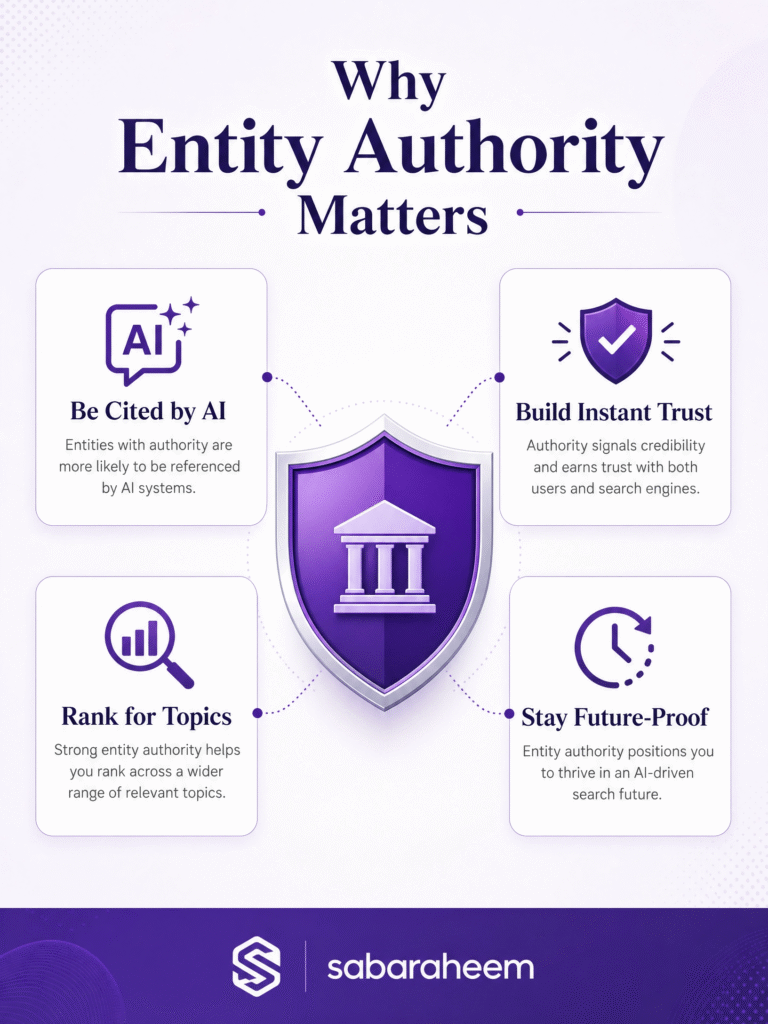
Step 1: Define Your Entity Precisely
Write one paragraph that states exactly who you are, what specific expertise you offer, who you serve, and where you are based. This becomes your canonical entity statement, used identically across every platform you appear on.
Step 2: Implement Author Schema Everywhere
Every piece of content you publish should carry Author Schema with your name, a link to your bio page, and sameAs properties pointing to your LinkedIn, Twitter, and any other verified profiles. This is the technical layer that turns your personal brand into machine-readable entity data. Full implementation details are in the schema markup guide.
Step 3: Publish Consistently Under Your Own Name
Choose one or two primary platforms (your own website and LinkedIn are the strongest starting point) and publish consistently under your real name. Consistency over months, not occasional bursts, is what builds the long-term entity signal AI systems weight most heavily.
Step 4: Earn Third-Party Mentions
Pitch guest contributions, seek podcast appearances, and build genuine relationships that lead to others mentioning your name and expertise independently. Each external mention is a vote of confidence that AI systems can use to corroborate your entity’s credibility.
Step 5: Track Your Entity Recognition
Periodically query ChatGPT, Perplexity, and Google AI Mode with questions like ‘who is [your name]’ and ‘who are the top experts in [your field].’ The accuracy and frequency of your appearance tells you exactly how well your personal brand entity is being recognized. The full tracking methodology is in how to track brand visibility in AI mode.
5. Common Mistakes That Weaken Personal Brand Entity Authority
- Inconsistent name usage: Using a nickname on social media and your full legal name on your website fragments your entity signal across platforms.
- Vague, unverifiable claims: ‘Industry expert’ or ‘thought leader’ with no specific, checkable evidence behind it does not build entity trust. Specific, documented results do.
- Switching platforms frequently without consolidating history: Entity authority compounds over time on a stable platform. Constantly moving between new platforms resets that compounding effect.
- No schema or structured data backing the brand: A strong personal brand without Author Schema is invisible to the machine-readable layer that AI systems rely on most.
- Treating personal branding as separate from SEO strategy: Personal branding and entity SEO are the same strategic effort viewed from two angles. Siloing them wastes the compounding effect each one creates for the other.
6. Your 30-Day Personal Brand Entity Sprint
Week 1: Define and Standardize
- Write your canonical entity bio — one paragraph, reusable everywhere
- Audit every platform where your name appears — fix any inconsistency in spelling, title, or description
- Choose one professional headshot and use it across every profile
Week 2: Implement the Technical Layer
- Add Author Schema with sameAs links to your website. Full guide: schema markup implementation
- Update your LinkedIn, Twitter, and any directory listings to match your canonical bio exactly
Week 3: Publish and Pitch
- Publish one piece of first-person content with a specific, documented result you achieved
- Pitch two guest contribution opportunities to publications in your niche
Week 4: Measure
- Query AI platforms for your name and your field — note how accurately and how often you appear
- For professional support building your personal brand entity strategy, explore personal branding services or work with me
People Also Ask
Does personal branding actually help with SEO?
Yes, significantly, and increasingly so in 2026. Personal branding builds the named, consistent, verifiable identity that satisfies Google’s E-E-A-T framework and gives AI systems a citable entity to attribute information to. The same activities that build a strong personal brand — consistent identity, documented expertise, external validation — are the exact signals that build entity authority. For the full context on why entities matter more than keywords now, see what is entity SEO and why it matters more than keywords in 2026.
Why do AI search engines cite individuals more than companies?
AI systems are trained to weigh trustworthiness and accountability heavily. A named individual with a documented expertise history, consistent identity, and verifiable claims is easier for an AI system to evaluate and cite confidently than an anonymous corporate voice with no specific person attached to the claims. This is why media-first, creator-led content consistently earns higher AI citation rates than generic brand content.
How long does it take to build entity authority through personal branding?
Initial entity recognition signals can begin appearing within 4 to 8 weeks of consistent name usage, schema implementation, and your first few pieces of published content. Meaningful AI citation frequency typically builds over 3 to 6 months of consistent publishing and external validation. Full Knowledge Panel recognition and reliable AI citation as a go-to expert in your field generally takes 6 to 12 months of sustained, consistent personal brand building.
What is the single most important step in building personal brand entity authority?
Consistency. Using your exact name, the same professional description, and the same visual identity across every platform you appear on is the single highest-leverage action, because it is the prerequisite for every other entity signal to compound rather than fragment. Without consistency, even strong expertise and external validation get diluted across what search engines may perceive as multiple separate, unclear entities. For the technical implementation that locks in this consistency, see the schema markup guide.
Can a small business owner build entity authority without a large following?
Yes. Entity authority is not dependent on audience size. It depends on clarity, consistency, and verifiability. A small business owner with a precisely defined expertise, consistent identity across a handful of platforms, and a few genuine third-party validations can build stronger entity authority than a large account with an inconsistent, unclear, or unverifiable presence. Entity SEO rewards definition and trust signals, not follower counts.
Frequently Asked Questions
Should I use my personal name or my business name for entity SEO?
Ideally, both, established as connected but distinct entities. Your personal name builds individual expert authority that AI systems can cite for thought leadership and expertise-based queries. Your business name builds organizational entity authority for service-based and transactional queries. Linking them clearly through Organization Schema (you as founder or key person of the business) lets both entities reinforce each other rather than compete.
Does having a large social media following automatically build entity authority?
No. Follower count is a popularity signal, not an entity verification signal. AI systems and Google care more about consistency, verifiable expertise, and external validation than raw audience size. A smaller, highly consistent, well-documented personal brand can out-perform a large but inconsistent or unverifiable one in entity recognition and AI citation rate.
How does personal branding interact with content marketing strategy?
Personal branding and content marketing are deeply intertwined in 2026. Content published under a clear, consistent personal entity earns stronger E-E-A-T signals and higher AI citation rates than the same content published anonymously. Every content marketing piece is simultaneously an opportunity to reinforce your personal brand entity. For the full content strategy that incorporates this, see content marketing services.
What is the relationship between personal branding and Parasite SEO?
They compound each other directly. Publishing expert content under your real, consistent name on high-authority platforms (LinkedIn, industry publications, guest posts) is the ethical foundation of modern Parasite SEO strategy. Each platform appearance reinforces your personal brand entity while simultaneously earning the external citation footprint that builds entity authority. The two strategies are most effective when executed together rather than separately.
Can I build entity authority for a brand without a specific named founder?
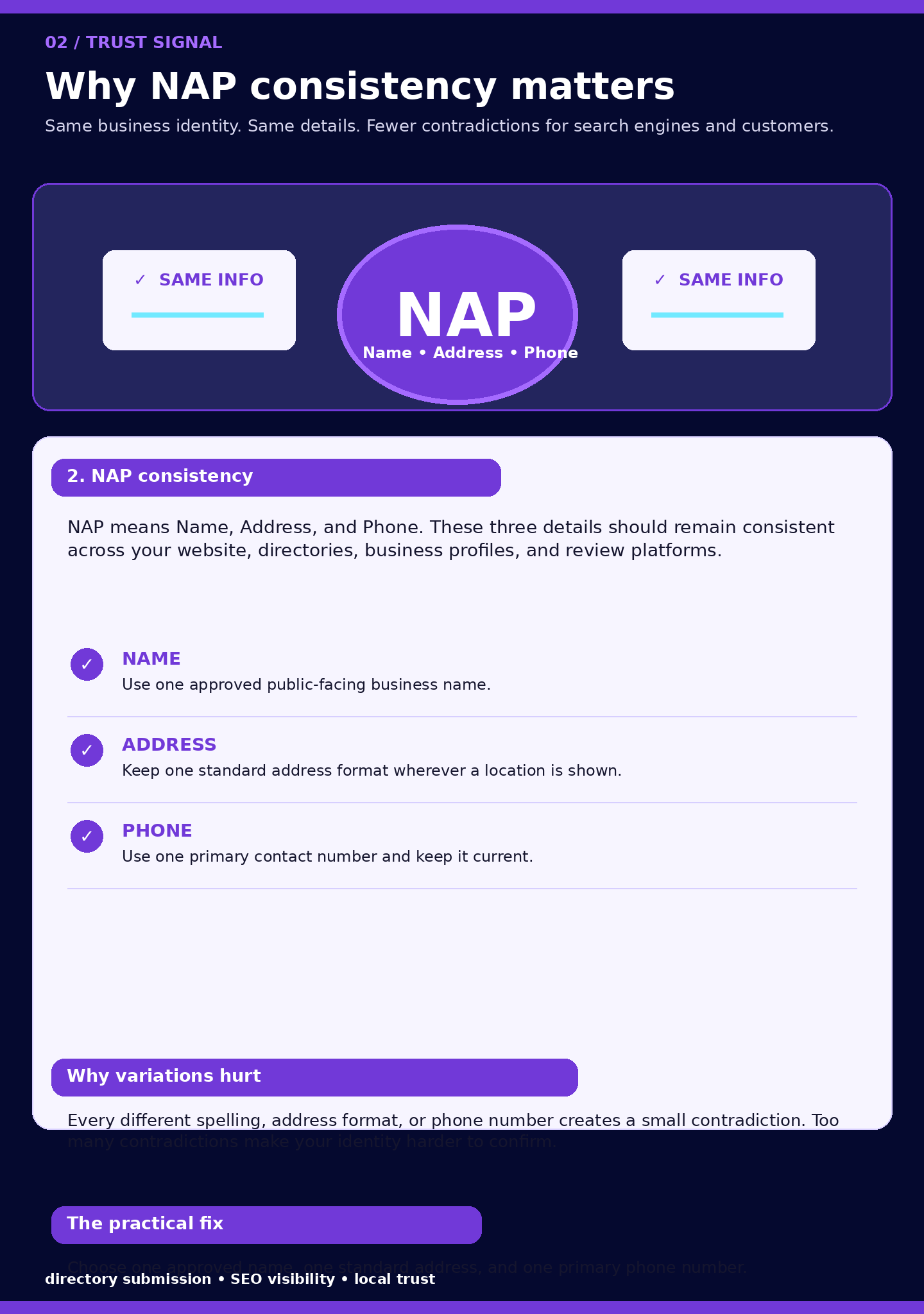
It is possible but considerably more difficult. Organization Schema, consistent NAP data, and third-party citations can build a degree of brand entity authority on their own. However, AI systems consistently show stronger citation confidence when a brand entity is connected to verifiable named individuals. Most brands that have achieved strong AI citation rates have at least one recognizable named spokesperson, founder, or expert publicly associated with the brand. This is the strategic case for market positioning and branding strategy that includes a personal face for the business.
| Ready to Build Your Entity Authority Through Personal Branding?Get a free SEO audit that includes your current entity recognition score and a personalised personal branding roadmap.>>> Get Your Free Entity Authority Audit <<<Or explore personal branding services to build your strategy with expert guidance |
| Anchor Text | URL |
|---|---|
| What Is Entity SEO and Why It Matters More Than Keywords in 2026 (Pillar Post) | https://seoportfolio.in/what-is-entity-seo-and-why-it-matters-more-than-keywords-in-2026/ |
| How to Track Brand Visibility in AI Mode | https://seoportfolio.in/how-to-track-brand-visibility-in-ai-mode/ |
| What Is Schema Markup and How It Helps Businesses Rank | https://seoportfolio.in/what-is-schema-markup-and-how-does-it-help-local-businesses-rank/ |
| Personal Branding Services | https://seoportfolio.in/personal-branding/ |
| Content Marketing Services | https://seoportfolio.in/content-marketing/ |
| Parasite SEO Service | https://seoportfolio.in/parasite-seo/ |
| Branding Strategy | https://seoportfolio.in/branding-strategy/ |
| Free SEO Audit Formula | https://seoportfolio.in/seo-audit-formula/ |
| Work With Me | https://seoportfolio.in/work-with-me/ |

Sharing my journey and learnings in Tech and AI. As a Digital Marketing Expert, I help brands boost their visibility and sales with smart personal branding and the latest AI tricks.

Leave a Reply