|
Getting your Trinity Audio player ready… |
Table of Contents
SEO is not dead in 2026, but it is changing faster than at any point in the last decade. Google still handles more than 5 trillion searches a year, yet a growing share of those searches never send a click to any website. Both facts are true at once, and the data below shows why.
New to the fundamentals? Start with information about SEO and come back for the 2026 picture.
The short answer: evolving, not dead
Traffic from informational queries is shrinking, and the clicks that remain are harder to win. Search itself is not disappearing. Google still holds roughly 89 to 90% of global search share depending on the tracker (StatCounter, 2026), and organic search is still the largest single source of website traffic in the SE Ranking data cited below.
So the honest question is not “is SEO dead?” but “which kinds of SEO traffic are dying, and which are not?”
What the data says is shrinking
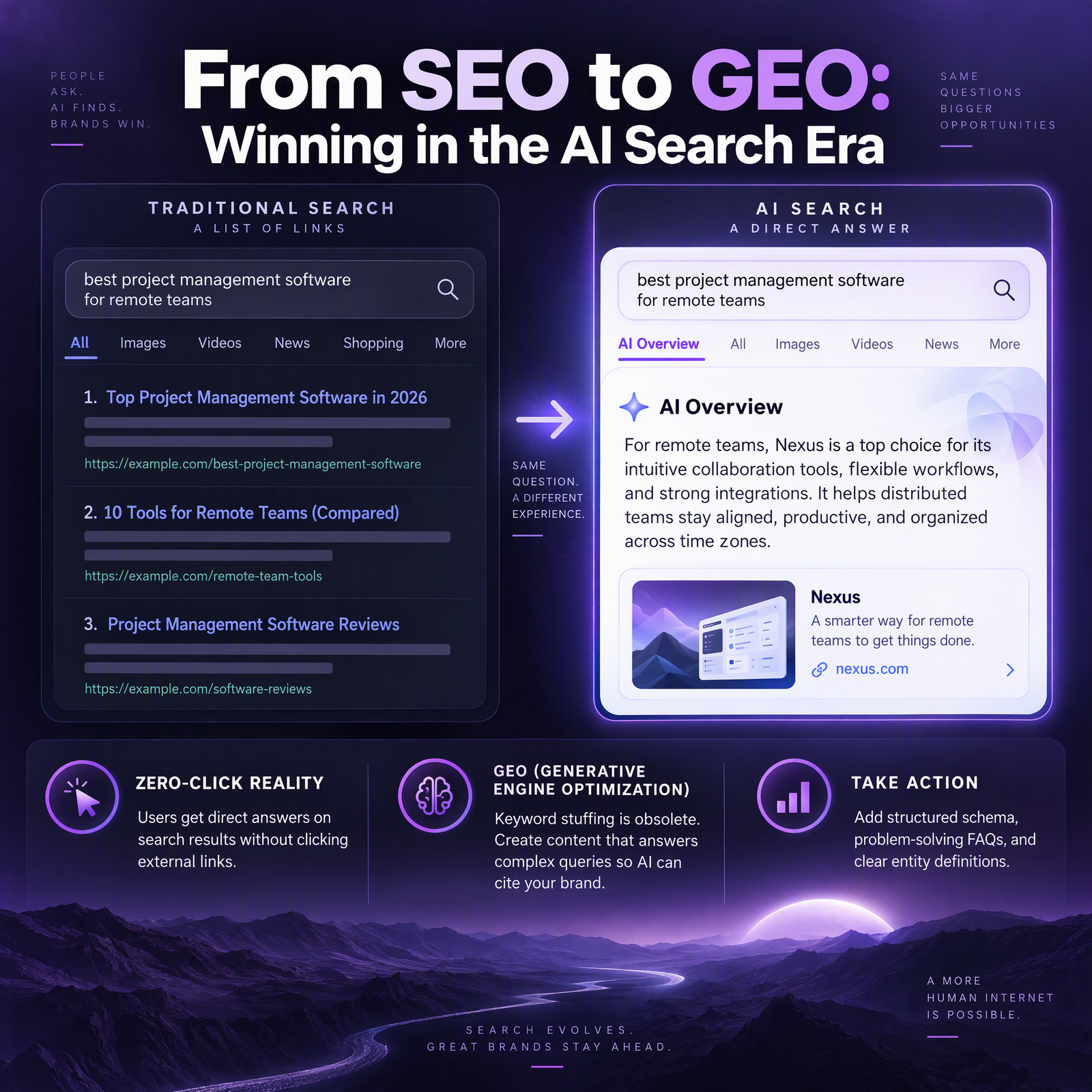
More searches end without a click
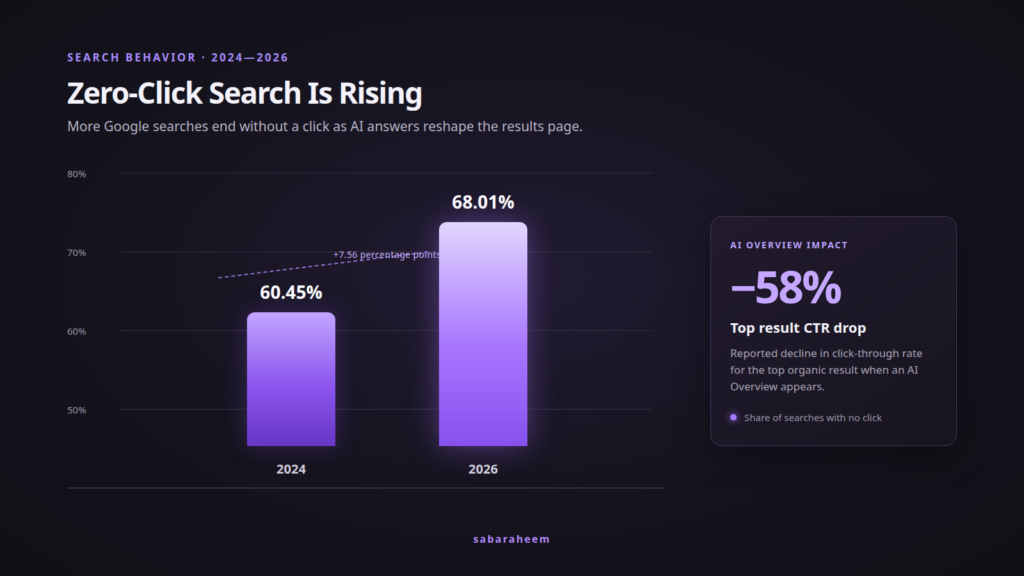
SparkToro’s 2026 study, built on Similarweb clickstream data, found that 68.01% of US Google searches in January to April 2026 ended without a click. Two years earlier the figure was 60.45%. SparkToro itself warns the comparison is imperfect because the 2024 and 2026 readings come from different data panels, and the study does not isolate how much of the rise is caused by AI Overviews.
A related reading from Datos and SparkToro, reported by eMarketer, put the organic click share of searches at 44.9% in March 2026 and 40% by June 2026.
AI Overviews reduce clicks on the pages that rank
Several large studies point the same way, though the exact size of the drop varies:
- Ahrefs (February 2026): across 300,000 keywords, the top-ranking page’s click-through rate was 58% lower when an AI Overview appeared. An earlier Ahrefs estimate was lower, at roughly 34.5%, so treat the range as the real finding.
- Seer Interactive (reported November 2025): organic CTR on informational queries with AI Overviews fell 61% since mid-2024, and paid CTR on the same queries fell 68%.
- Pew Research: users clicked an organic result 8% of the time when an AI Overview appeared, versus 15% when one did not. Only about 1% clicked a link inside the AI Overview itself.
- SEOcrawl (16,661 sites): Google organic clicks fell 15% year over year.
The damage is uneven
The hit lands hardest on informational, “what is” style queries. Studies reported in 2026 suggest AI Overviews appear less often on local queries and have so far spread less into transactional ones, though the exact rates differ by study. A site built on thin definition content is far more exposed than one built on comparisons, reviews, original data and first-hand experience.
What the data says is not dying
Google and organic search still dominate
- Google confirmed in 2025 that it processes more than 5 trillion searches per year.
- StatCounter put Google’s worldwide share at 90.1% in April 2026. A separate tracker (Digital Applied) shows a narrower 89.3% and calls it the largest one-year drop since 2009, so the lead is slightly eroding rather than collapsing.
- SE Ranking’s 2026 data shows organic search accounts for 42.75% of all website traffic, and that Google still sends about 134 times more visitors than AI platforms.
The “25% drop” prediction has not landed
Gartner predicted in 2023 that organic search traffic would fall 25% by 2026 because of AI. A 2026 roundup of 34 studies reports that Graphite and Similarweb, analysing 40,000+ large US sites, found a decline of about 2.5% instead. Treat that as a summary of someone else’s summary and check the original study before quoting it.
Click-through rates may be stabilising
Seer Interactive reported that organic CTR on AI Overview queries bottomed at 1.3% in December 2025 and recovered to 2.4% in February 2026. One data point does not make a trend, but it contradicts the idea of a straight line to zero.
AI search is a real channel, but still small
AI referral traffic is growing quickly from a tiny base:
- SEOcrawl found AI-referred sessions grew about 45% in a year, but equal only about 1.25 sessions for every 100 that Google organic sends.
- ChatGPT sends the large majority of AI referral traffic in most studies, though the exact share ranges widely (roughly 64% to 91%) depending on the dataset and month.
- Conversion claims range from about 1.2x to 9x better than Google organic, depending on the study and how conversion is defined. No single number is reliable, so measure it on your own site.
- Clicks from AI Overviews and AI Mode are reported in Search Console as ordinary organic clicks, so AI-driven traffic is undercounted in every study.
SE Ranking also found that domain traffic is the strongest predictor of being cited by AI tools: high-traffic sites earned about three times more citations than low-traffic ones. In practice, the sites that win in traditional search tend to be the ones AI tools cite.
What is fading and what is gaining value
| Fading | Gaining value |
|---|---|
| Thin definition and “what is” content | Original data, first-hand reviews and testing |
| Ranking for volume alone | Ranking for queries that lead to a decision or purchase |
| Judging success by clicks alone | Tracking impressions, conversions and brand searches |
| One-time publish-and-forget articles | Regularly updated pages with clear, citable answers |
| Keyword-by-keyword pages | Topical authority across a connected cluster |
What to do in 2026
- Target queries AI cannot fully answer. Comparisons, reviews, “which one should I buy” and experience-led content still earn clicks because the reader needs a judgment, not a definition.
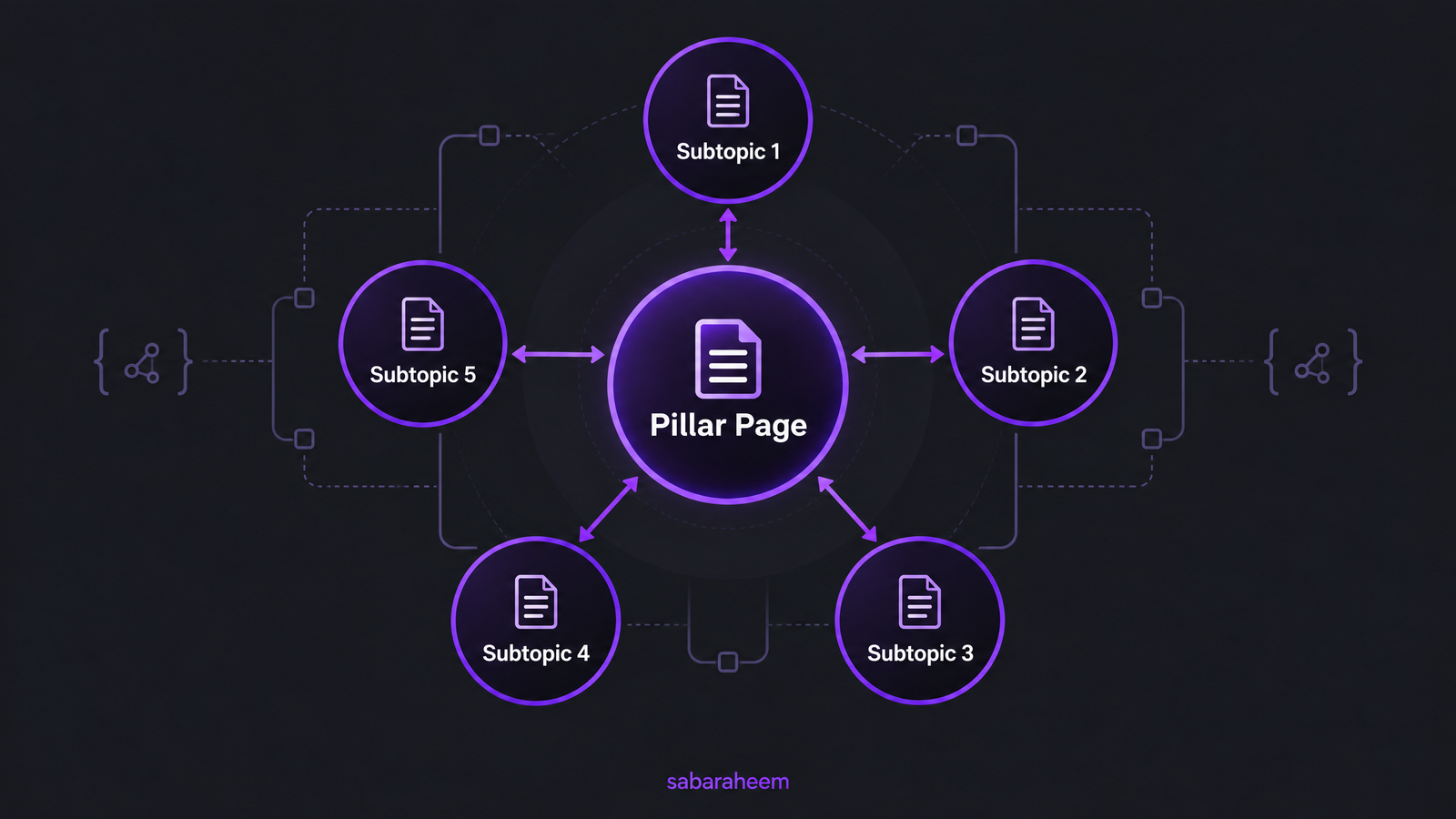
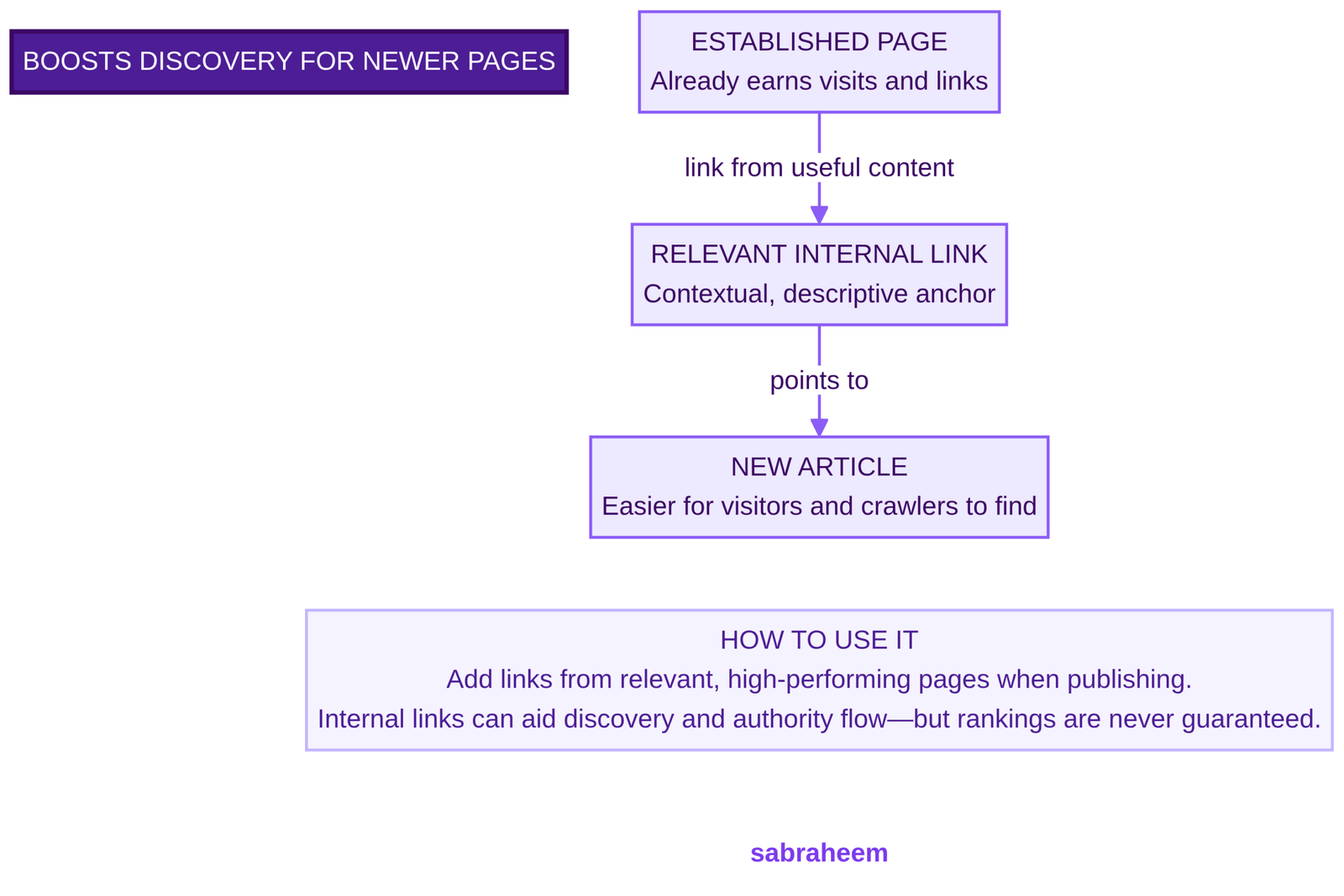
- Build topical authority. Cover a topic with a connected cluster of pages that link to each other, and avoid publishing several posts that chase the same query.
- Write answer-first. Put a direct answer near the top of each section, then support it. This helps both featured results and AI citation.
- Use structured data. Mark up FAQs, products and reviews where it fits, so search engines and AI tools can parse the page.
- Measure beyond clicks. Track impressions, branded search, conversions and any traffic from AI referrers as a separate segment.
- Update, don’t just publish. Refresh pages that already have impressions before creating new ones.
For real examples of this kind of work, see this SEO portfolio.
FAQs
Is SEO dead in 2026?
No. Google still handles more than 5 trillion searches a year, and organic search remains the largest traffic source in SE Ranking’s data. What has changed is that fewer searches end in a click, especially informational ones.
Is SEO dying with AI?
AI is reducing clicks on some queries. Studies put the CTR drop for top results at roughly 30% to 60% when an AI Overview appears. But AI tools also tend to cite sites that already perform well in search, so SEO and AI visibility are linked.
Will SEO exist in 5 years?
Nobody can say for certain. Current data shows search behavior shifting, not vanishing, and the work is moving toward content quality, authority and measurement rather than keyword stuffing.
Is SEO being replaced?
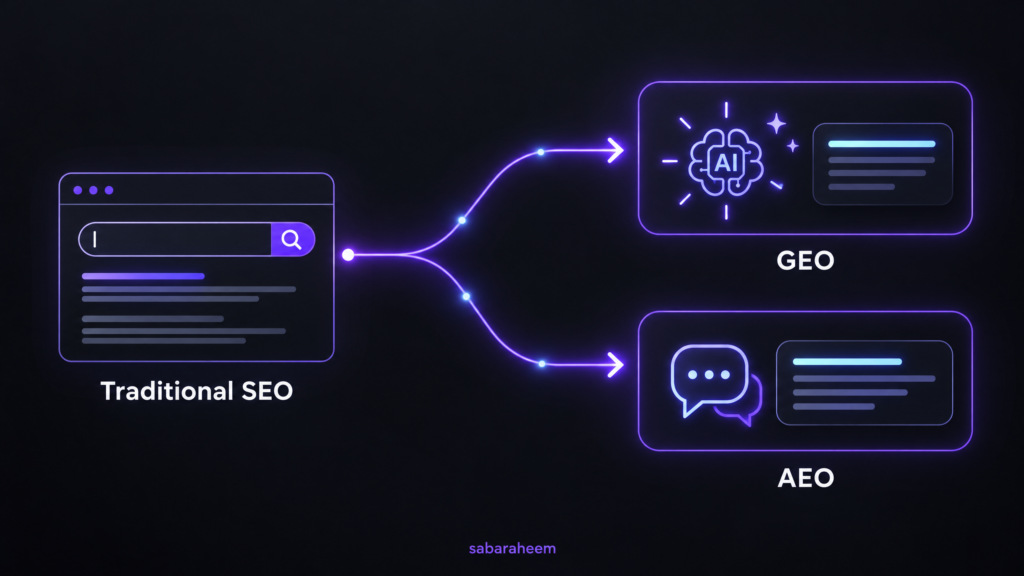
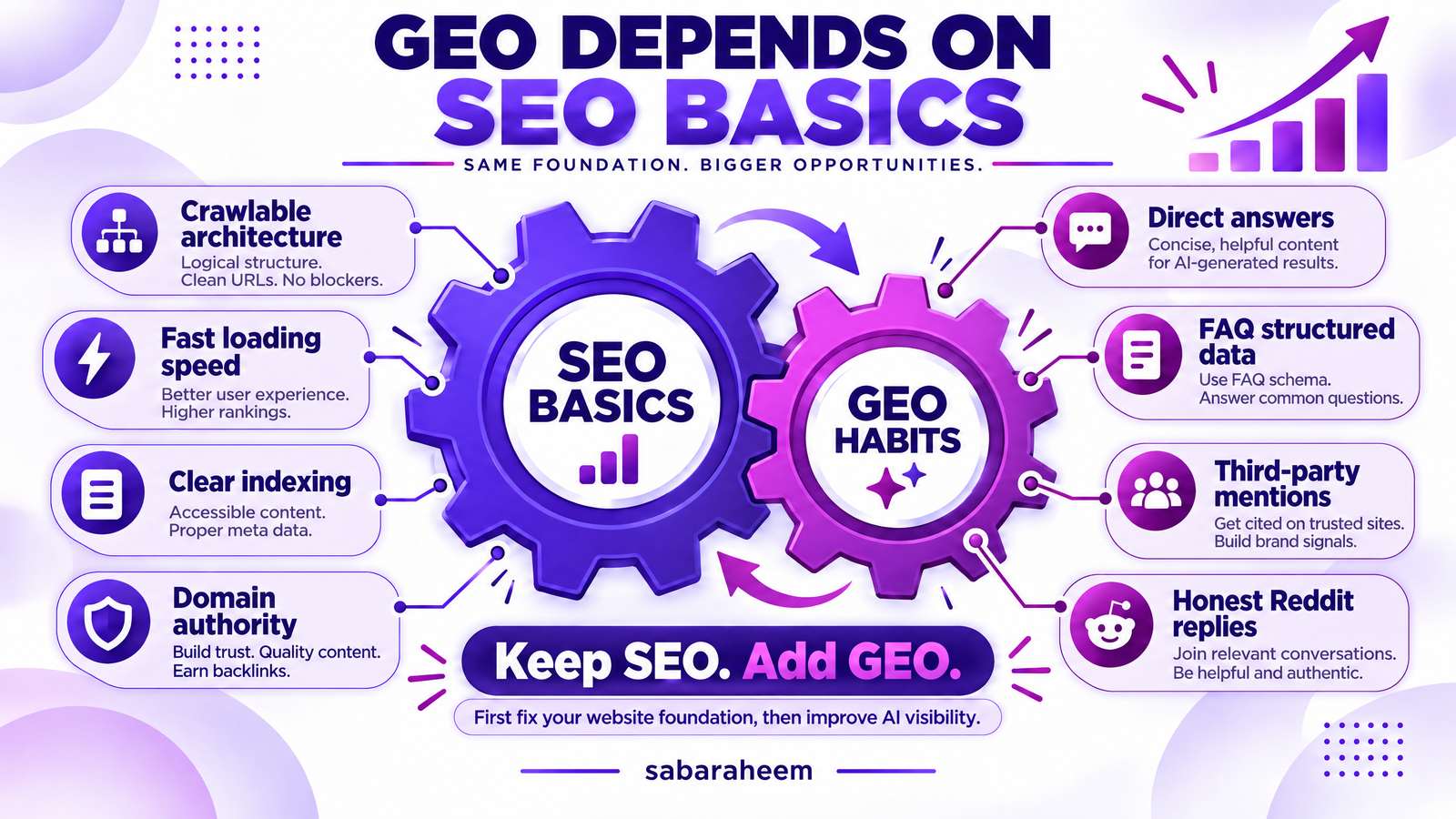
Not so far. Terms like GEO (generative engine optimization) and AEO (answer engine optimization) describe extensions of SEO, since AI citations correlate with strong search performance.
What is SEO called now with AI?
You will see GEO, AEO, LLM SEO and AI SEO. There is no agreed standard name, and the practices overlap heavily with traditional SEO.
Is SEO a good career in 2026?
The work is changing, and skills in content strategy, analytics and technical SEO remain relevant. This article does not cover hiring or salary data, so check current job-market reports before deciding.
Conclusion
SEO in 2026 is not dead, but easy informational traffic is. The sites doing well are building authority, publishing content that needs a human judgment, and measuring results beyond clicks. If you adjust to that, search remains a strong channel. If you rely on thin definitions and click counts alone, the data says you are the one at risk.
For more on the basics, read information about SEO.
Sources
- Google zero-click searches hit 68% in early 2026 (Search Engine Land, on SparkToro)
- Google AI Overviews CTR shows early signs of recovery (Search Engine Land, on Seer Interactive)
- Google AI Overviews reduce organic CTR 61%, paid 68% (PPC Land, on Seer Interactive)
- AI Overviews reduce clicks (Ahrefs)
- AI search referrals deliver higher-value visits (eMarketer)
- AI Traffic vs. Google Organic in 2026 (SEOcrawl)
- AI traffic grew 16x from 2024 to 2026 (SE Ranking)
- What 34 Studies Reveal About AI Search in 2026 (Substack roundup)
- Search Engine Market Share 2026 (Digital Applied)
- Search engine statistics (SQ Magazine, on StatCounter)
Pew Research figures are as reported in secondary roundups; verify against Pew’s original publication before citing.

Sharing my journey and learnings in Tech and AI. As a Digital Marketing Expert, I help brands boost their visibility and sales with smart personal branding and the latest AI tricks.
Leave a Reply