|
Getting your Trinity Audio player ready… |
Why Your SEO Strategy Suddenly Stopped Working
Let me start with something you’ve probably noticed: your traffic tanked after recent Google algorithm changes, and you can’t figure out why.
Your content is well-written. Your technical SEO is solid. You’ve been following “best practices.” Yet your rankings keep sliding.
Here’s what nobody tells you: SEO in 2026 is fundamentally different from SEO in 2023.
Not slightly different. Not “a few tweaks” different. Completely transformed.
After analyzing thousands of websites, consulting with businesses across different industries, and testing strategies throughout 2024, I can tell you exactly what’s changed—and more importantly, what you need to do about it.
The shift isn’t coming. It already happened. And if you’re still playing by the old rules, you’re competing with one hand tied behind your back.
The Seismic Shifts That Changed Everything
Three major forces converged to completely reshape search engine optimization:
1. AI Content Explosion (and Google’s Response)
Millions of websites started pumping out AI-generated content. Google’s response? The March 2024 update specifically targeted low-quality, thin AI content that added no real value.
But here’s the twist: AI content doesn’t automatically rank poorly. Lazy AI content does.
The question “Does AI content rank in 2026?” misses the point. The real question is: “Does your content—regardless of how you created it—provide genuine expertise and value that AI chatbots can’t instantly replicate?”
2. E-E-A-T Became Non-Negotiable
E-E-A-T (Experience, Expertise, Authoritativeness, Trustworthiness) moved from “nice to have” to “absolutely essential.” Google is now incredibly sophisticated at detecting whether content comes from someone with real experience or someone who just researched a topic online.
How important is E-E-A-T for SEO 2026? It’s arguably the most critical ranking factor for informational and YMYL (Your Money Your Life) content.
3. Zero-Click Searches and AI Overviews
Google now answers many queries directly on the results page through featured snippets, AI overviews, and knowledge panels. The result? Even first-page rankings don’t guarantee traffic like they used to.
This is why Google traffic dropped after 2026 update for many sites—not because they ranked worse, but because searches got answered without clicks.
The New SEO Strategy Framework for 2026
Forget everything you think you know. Here’s what actually works now:
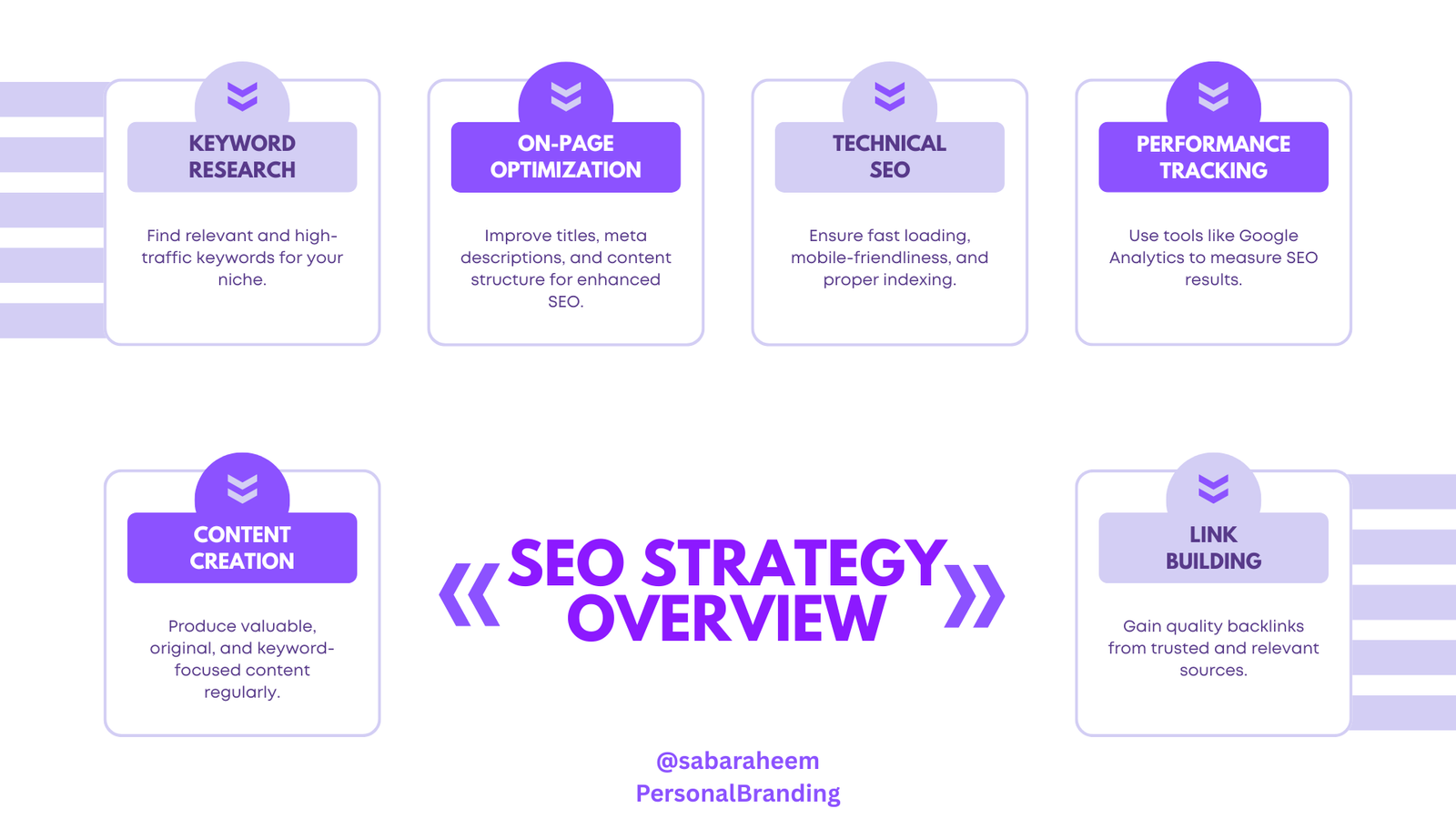
Strategy #1: Build True Topical Authority (Not Just Keyword Coverage)
The old approach: Target individual keywords, create one page per keyword, build some backlinks.
The new approach: Demonstrate comprehensive expertise across an entire topic cluster.
How to build topical authority in 2026:
- Map Your Topic Clusters: Identify your core topics and create a hub-and-spoke content model around each
- Cover Depth AND Breadth: Don’t just write surface-level content on many topics—go deep on fewer topics
- Show Interconnections: Internal linking strategies that demonstrate how concepts relate
- Update Consistently: Show Google your expertise evolves with the industry
This isn’t about creating more content. It’s about creating comprehensive content that establishes you as the definitive resource.
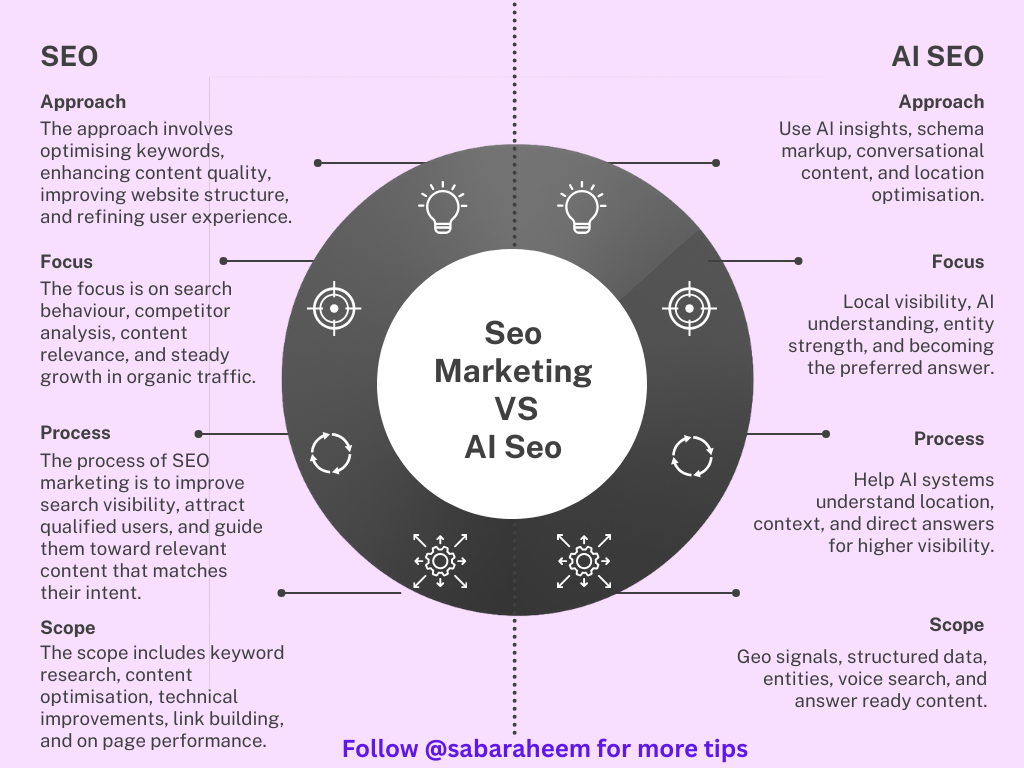
Strategy #2: Optimize for AI and Humans Simultaneously
What type of content performs best in SEO 2026? Content that satisfies both traditional search algorithms AND feeds into AI overview systems.
The dual-optimization framework:
- For Humans: Engaging, conversational tone with clear examples and actionable advice
- For AI Systems: Clear structure with descriptive headers, concise definitions, and properly formatted answers
- For Both: Genuine expertise demonstrated through specific experiences and unique insights
How to optimize AI generated content for rankings 2026 if you use AI tools:
- Use AI for research and first drafts
- Add your specific experiences and case studies
- Include proprietary data or unique perspectives
- Edit ruthlessly for voice and personality
- Fact-check everything with credible sources
Strategy #3: Experience-First Content Creation
Google’s algorithms now detect whether content is written by someone who actually did something versus someone who just read about it.
Signals of genuine experience:
- Specific numbers and results from your work
- “Here’s what failed and why” stories
- Detailed process descriptions
- Before/after examples
- Lessons learned from mistakes
This is how to outrank AI content sites in 2026—AI can research, but it can’t have genuine professional experience.
Strategy #4: Focus on User Engagement Metrics
Ranking factors have expanded beyond traditional SEO signals to include behavioral metrics:
- Time on site metrics that show genuine engagement
- Scroll depth and content interaction
- Return visitor rates
- Click-through rates from search results
Optimization techniques that improve engagement:
- Interactive content like calculators or tools
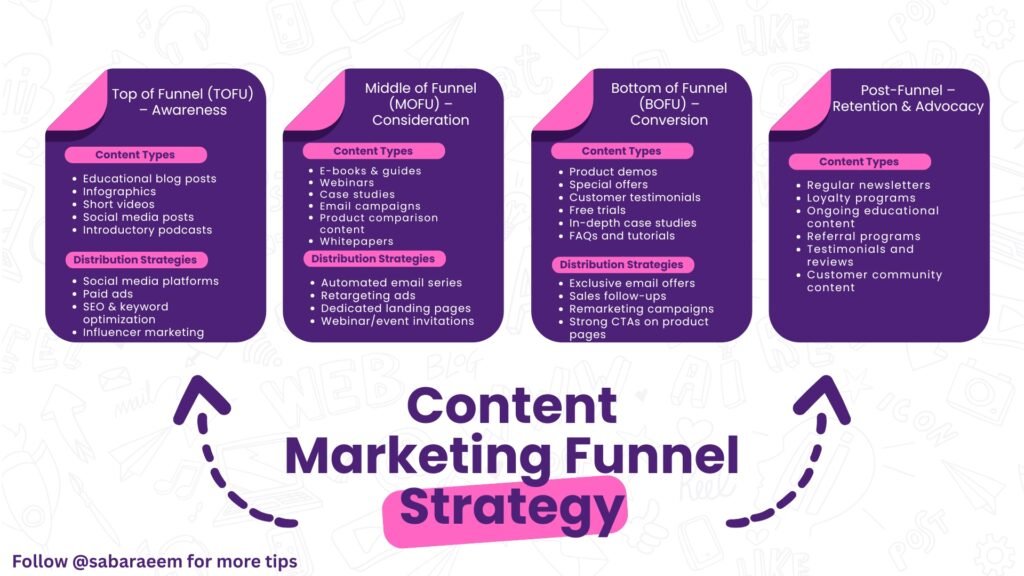
- Visual content strategies including videos and infographics
- Breaking up text with practical examples
- Using conversational AI to answer questions in real-time
Strategy #5: The New Backlink Reality
SEO trends that will replace backlinks? Nothing completely replaces them, but their role has changed.
The modern link building approach:
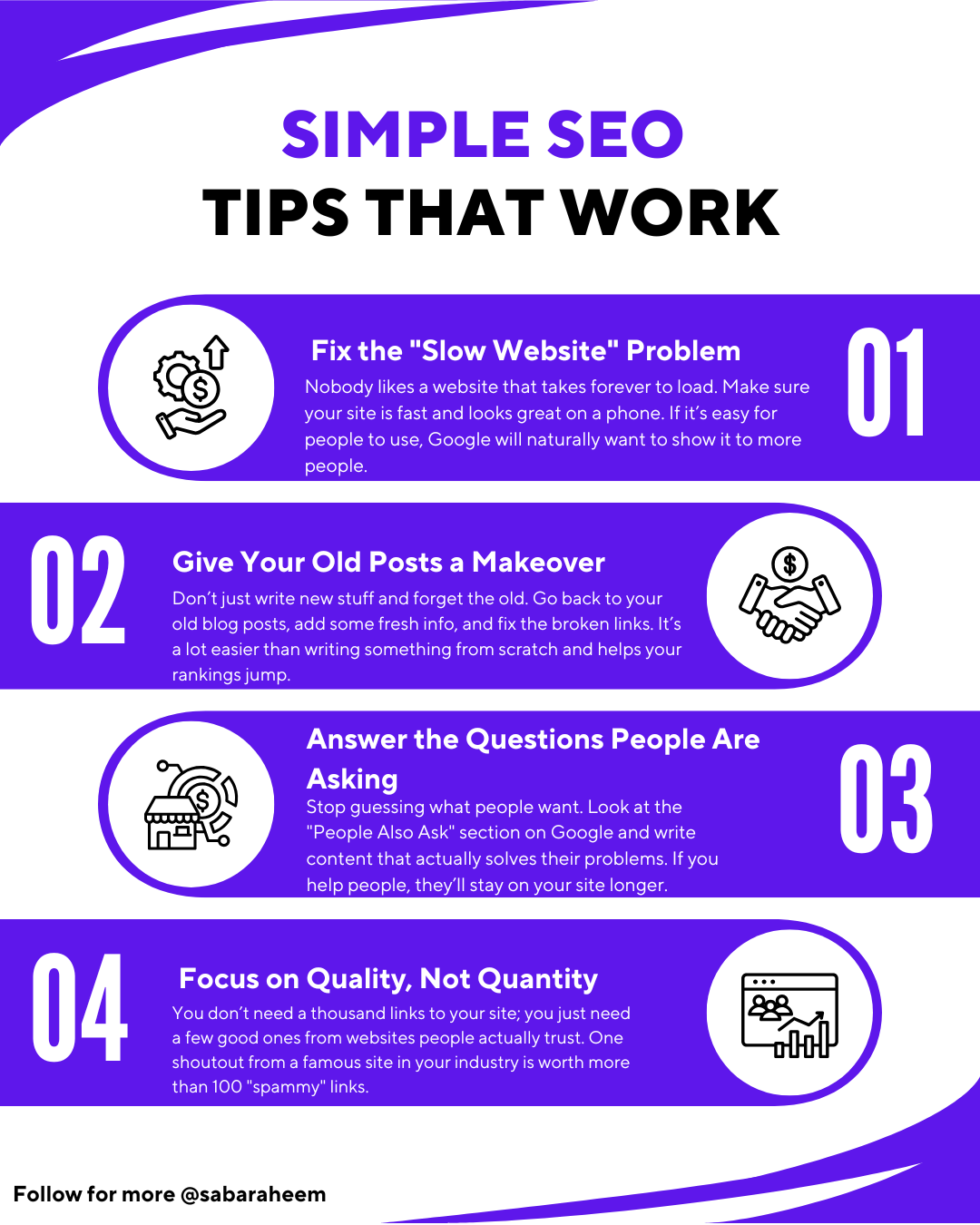
- Quality over quantity (10 relevant links beat 100 random ones)
- Earned links from genuine expertise, not outreach campaigns
- Brand mentions and citations matter even without links
- Social proof through thought leadership
Can you rank with zero backlinks in 2026? Yes, for low-competition, long-tail queries where you demonstrate superior topical authority. But for competitive terms, high-quality backlinks still accelerate authority building significantly.
The 2026 SEO Technology Stack
Which SEO strategy generates leads in 2026? The one that combines strategic thinking with the right SEO tools and software.
Essential SEO Tools for 2026
| Tool Category | Top Recommendations | Primary Use |
|---|---|---|
| Keyword Research | Semrush, Ahrefs, Google Keyword Planner | Advanced keyword research, keyword intent analysis, competitor analysis |
| Content Optimization | Surfer SEO, Clearscope, Frase | Content strategy, real-time optimization, AI content refinement |
| Technical SEO | Screaming Frog, Google Search Console, Sitebulb | Site audits, indexing issues, core web vitals monitoring |
| Rank Tracking | Accuranker, SERPWatcher, Google Search Console | Performance metrics, ranking factors analysis, traffic analysis |
| Analytics | Google Analytics 4, Hotjar, Microsoft Clarity | User engagement metrics, conversion rate optimization, heatmaps for SEO |
| Link Analysis | Ahrefs, Moz, Majestic | Backlink strategies, domain authority monitoring, competitor backlinks |
| AI Content Tools | ChatGPT, Claude, Jasper | Content research, outline creation, editing assistance |
Budget-friendly SEO plan for small business 2026: Start with Google Search Console (free), Google Analytics (free), and one paid all-in-one tool like Semrush or Ahrefs. Add specialized tools as you grow.
Automated SEO Tools Worth Using
Marketing automation for SEO has improved dramatically. Tools that genuinely save time:
- Position tracking automation for monitoring ranking changes
- Content refresh alerts that identify outdated content
- Technical issue monitoring that catches problems immediately
- Competitor analysis dashboards showing what’s working for others
Updated Ranking Factors for 2026
Here’s what Google actually cares about now, ranked by importance based on testing and analysis:
Tier 1: Critical Factors
- Content Quality & Expertise: Does this demonstrate genuine knowledge?
- E-E-A-T Signals: Author credentials, site reputation, cited sources
- User Experience: Core web vitals, mobile-first indexing, page experience signals
- Search Intent Matching: Does this actually answer what users want?
Tier 2: Important But Not Decisive 5. Technical SEO: Site speed optimization, indexing, structured data 6. Backlink Quality: Relevant, authoritative links (not quantity) 7. Content Depth: Comprehensive coverage of topics 8. Engagement Signals: Time on site, bounce rate, return visits
Tier 3: Supporting Factors 9. Social Signals: Not direct ranking factors but drive discovery 10. Domain Age & History: Slight advantage to established sites 11. Schema Markup: Helps search engines understand content 12. Internal Linking: Shows content relationships and site structure
Notice what’s NOT on this list anymore: keyword density, exact-match domains, high post frequency, meta keyword tags.
How to Rank Faster in 2026 with AI Content
Since AI is unavoidable (and honestly, useful), here’s how to use it without tanking your rankings:
The Responsible AI Content Framework:
- Research Phase: Use AI to analyze competitors, identify content gaps, generate topic ideas
- Outline Phase: AI creates structure, you validate against search intent
- First Draft: AI writes, following your outline and incorporating your research
- Enhancement Phase: YOU add:
- Personal experiences and case studies
- Specific data from your work
- Unique perspectives that AI can’t have
- Your brand voice and personality
- Quality Check: Remove AI tells, add humanity, ensure accuracy
- Optimization: Use content optimization tools to refine for search and user intent
AI content red flags Google watches for:
- Generic, surface-level information anyone could write
- Lack of specific examples or data
- No clear author expertise or credentials
- Content that contradicts itself or includes factual errors
- Writing that feels robotic or uses common AI phrases
Best Content Strategy for SEO 2026
The winning content strategy for SEO isn’t about volume. It’s about strategic value creation:
The Content Priority Framework
Tier 1: Authority Pages (15% of content, 60% of impact)
- Comprehensive, definitive guides on your core topics
- 3,000-5,000+ words of expert-level content
- Updated quarterly with new research and examples
- Heavy internal linking from other relevant pages
Tier 2: Supporting Content (30% of content, 30% of impact)
- Specific how-to guides and tutorials
- Case studies and examples
- Comparison posts and product reviews
- Updated every 6-12 months
Tier 3: Long-Tail Content (55% of content, 10% of impact)
- Answers to specific questions
- Niche topics within your expertise
- Time-sensitive content
- Updated only when information changes
Best structure for informational blogs in 2026:
- Hook with a relatable problem (50-100 words)
- Promise the solution you’ll deliver (50 words)
- Provide context on why this matters now (100-200 words)
- Deliver detailed, actionable solution (1,500-3,000 words)
- Include real examples and data
- End with clear next steps
Best Long-Tail Strategy for High Competition Niches
When you can’t compete on broad terms, own the specific questions:
Instead of: “SEO tools” (impossible to rank) Target: “Best SEO tools for local plumbers” (achievable)
Instead of: “Content marketing” (too broad) Target: “Content marketing for B2B SaaS with no in-house writers” (specific)
The best keyword strategy after AI update focuses on intent + specificity + expertise.
Why Your Old SEO Strategy is Failing in 2026
Let me be specific about what doesn’t work anymore:
Publishing quantity over quality: 10 mediocre posts won’t beat one exceptional one Keyword stuffing in any form: Including “natural” keyword density optimization Generic guest posting for backlinks: Most guest posting networks are now devalued Ignoring page experience signals: Slow sites with bad UX can’t rank well anymore Thin, surface-level content: Even if it hits keywords, it won’t rank Buying links: Riskier than ever with improved detection Focusing only on Google rankings: Without traffic conversion, rankings mean nothing
SEO Checklist for 2026
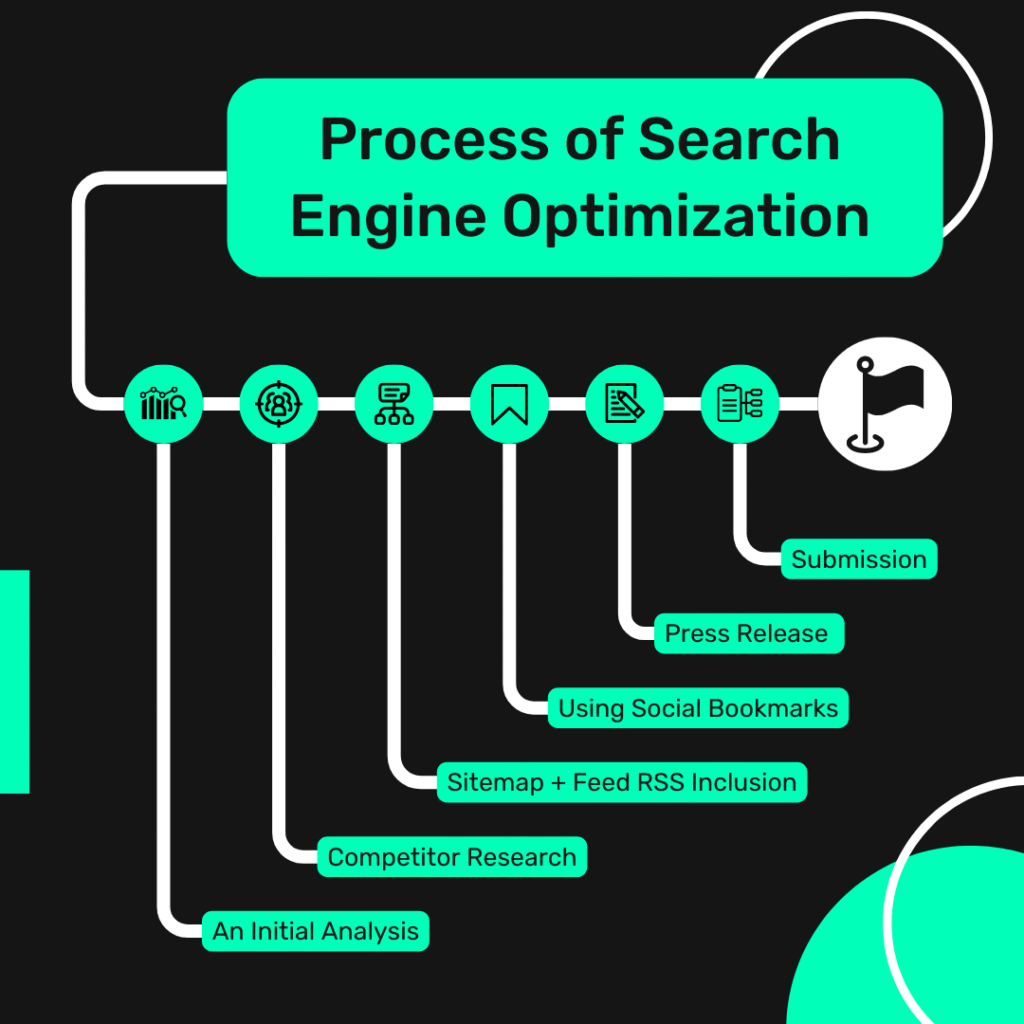
Here’s your implementation roadmap:
Month 1: Foundation
- Audit current content for E-E-A-T signals
- Identify core topic clusters
- Fix technical SEO issues (site speed, mobile, indexing) Set up proper analytics tools and goal tracking
Month 2: Content Strategy
- Create comprehensive authority pages for top 3 topics
- Map internal linking strategies
- Add author bios with real credentials
- Update thin content or remove it
Month 3: Optimization
- Optimize for user engagement metrics
- Add schema markup where relevant
- Improve content for AI overviews and featured snippets
- Build or improve FAQ schema for key pages
Ongoing:
- Create one authority piece per month
- Update top 20 pages quarterly
- Build relationships for earned links
- Monitor SEO performance and adjust
How to Create Authority Pages That Rank
Authority pages are the foundation of modern SEO success. Here’s the formula:
Components of an Authority Page:
- Comprehensive Coverage: Answer every logical question about the topic
- Unique Research: Original data, surveys, or analysis
- Expert Validation: Quotes from recognized experts or your own credentials
- Visual Content: Original diagrams, charts, or videos
- Regular Updates: Date stamps showing freshness
- Strategic Links: Both internal (showing topic breadth) and external (showing research depth)
How to improve conversion SEO: Authority pages naturally convert better because they establish trust before asking for action. Include clear CTAs only after demonstrating value.
Frequently Asked Questions
Q: What is the best SEO strategy for 2026?
The best SEO strategy for 2026 focuses on three pillars: demonstrating genuine expertise through experience-first content, building comprehensive topical authority rather than targeting isolated keywords, and optimizing simultaneously for both AI systems and human readers. This means creating in-depth content that showcases real experience, establishing yourself as a definitive resource on specific topics, and structuring content so it performs well in both traditional search results and AI-generated overviews. The winning strategies prioritize quality and authority over volume and keyword optimization.
Q: How has SEO changed in 2026?
SEO has fundamentally shifted from technical optimization and keyword targeting to expertise validation and user satisfaction. The major changes include: Google’s sophisticated detection of AI-generated content versus human expertise, E-E-A-T becoming a primary ranking factor rather than a guideline, zero-click searches reducing traffic even for well-ranked pages, and behavioral metrics like engagement and time-on-site playing larger roles in rankings. The focus has moved from “how to trick algorithms” to “how to genuinely serve users better than anyone else.” Technical SEO remains important but is now table stakes rather than a competitive advantage.
Q: Does AI content rank in 2026?
Yes, AI content can rank in 2026, but with critical caveats. Pure AI-generated content with no human expertise, specific examples, or unique insights typically doesn’t rank well after recent Google algorithm updates. However, AI-assisted content where AI handles research and first drafts, but humans add genuine experience, proprietary data, and expert analysis performs excellently. The key is using AI as a tool for efficiency while ensuring the final content demonstrates real expertise that AI alone couldn’t provide. Google’s algorithms are increasingly sophisticated at detecting thin, generic AI content versus valuable, expert-enhanced content.
Q: How do I rank faster in 2026 with AI content?
To rank quickly with AI content, use a hybrid approach: leverage AI for efficiency but layer in human expertise. Start with AI for research, topic generation, and initial drafts, then critically enhance with your specific experiences, case studies, original data, and unique insights. Focus on demonstrating E-E-A-T by adding author credentials, citing sources, and showing real-world application of concepts. Optimize for both traditional SEO (using content optimization tools) and AI overviews (clear structure, concise definitions). The content should pass the “couldn’t be written without doing this” test—include details only someone with hands-on experience would know.
Q: What type of content performs best in SEO 2026?
Content that performs best combines three elements: demonstrated expertise from real experience, comprehensive coverage that establishes topical authority, and strategic optimization for user engagement. Specifically: long-form authority pages (3,000-5,000 words) on core topics, experience-rich how-to guides with specific examples and results, comparison content with original testing or analysis, and evergreen content updated regularly. Interactive content, video integration, and content that answers questions concisely for AI overviews while providing depth for human readers consistently outperform generic blog posts. The worst performers are thin content, keyword-stuffed pages, and AI-generated content without human enhancement.
Q: Why is my old SEO strategy failing in 2026?
Your old strategy is likely failing because it focuses on outdated ranking factors. Common reasons include: creating content for keywords rather than demonstrating expertise, building quantity over quality with thin posts, relying on backlinks alone without topical authority, ignoring user engagement metrics and page experience, producing generic content that could be written by anyone (or any AI), neglecting mobile-first indexing and core web vitals, and failing to adapt to zero-click searches and AI overviews. The fundamental shift is from “optimization for algorithms” to “demonstrating superior expertise and user value.” If your traffic dropped after recent Google updates, audit your content for genuine E-E-A-T signals and comprehensive topic coverage.
Q: What are the best SEO tools for 2026?
The best SEO tools for 2026 depend on your specific needs, but essential categories include: comprehensive platforms like Semrush or Ahrefs ($99-$399/month) for keyword research, competitor analysis, and backlink monitoring; content optimization tools like Surfer SEO or Clearscope ($49-$199/month) for real-time content improvement; Google Search Console (free) for monitoring technical SEO and performance metrics; analytics tools like GA4 (free) or Hotjar for understanding user engagement; and AI assistants like ChatGPT or Claude for content research and drafting. For small businesses, start with Google Search Console, GA4, and one paid all-in-one platform. The key is choosing tools you’ll actually use consistently rather than accumulating subscriptions.
Q: How to build topical authority in 2026?
Building topical authority requires strategic focus rather than broad content creation. Start by identifying 3-5 core topics where you have genuine expertise. For each topic, create a comprehensive hub-and-spoke content model: one definitive authority page (3,000-5,000 words) covering the topic comprehensively, surrounded by 10-15 supporting articles covering specific aspects in depth. Use strategic internal linking to show how concepts interconnect. Demonstrate expertise through specific examples, case studies, original data, and lessons from experience. Update core content quarterly to show evolving knowledge. Cite authoritative sources and earn backlinks from relevant industry sites. The goal is making Google see you as the definitive resource on these specific topics rather than just another website covering them.
The Reality Check: What Success Looks Like Now
Let me be honest about something: SEO in 2026 is harder than it was five years ago.
The barrier to entry has risen. You can’t just follow a checklist and expect results. You need genuine expertise, commitment to quality, and patience for long-term growth.
But here’s the opportunity: most of your competitors still haven’t figured this out.
They’re still churning out keyword-stuffed content, chasing backlinks, and wondering why nothing works.
If you commit to the new approach—building genuine expertise, creating comprehensive resources, and optimizing for both humans and AI—you’ll have a massive advantage.
The businesses winning in search right now aren’t the ones with the biggest budgets or the most content. They’re the ones demonstrating the clearest expertise and providing the most value.
That can be you.
Start with one topic. Build real authority. Show genuine expertise. The rankings will follow.
Your Next Steps
- Audit your current content for E-E-A-T signals and topical authority
- Choose 1-3 core topics where you can demonstrate genuine expertise
- Create one comprehensive authority page that covers a topic better than anyone else
- Implement the SEO checklist above systematically
- Monitor performance and double down on what works
SEO in 2026 rewards the patient and punishes the lazy. Which side will you be on?
The latest SEO changes for 2026 are already in motion. The question is whether you’ll adapt before your competitors do.
Key Takeaway: The new SEO strategy for 2026 isn’t about tricks or hacks. It’s about genuinely being the best resource on specific topics and proving it through experience, comprehensiveness, and user satisfaction. Everything else is supporting tactics.
Leave a Reply