|
Getting your Trinity Audio player ready… |
The rules of digital marketing have fundamentally changed. If you’re still optimizing only for Google’s traditional blue links, you’re already behind. The emergence of artificial intelligence has introduced a seismic shift in how customers discover businesses online—and the financial stakes have never been higher.
The search landscape is experiencing its most significant transformation in decades. Traditional search engines are evolving into AI Search Engines that deliver AI-generated answers directly within search results pages, fundamentally changing search behavior and user intent across the digital landscape.
Studies show brands ranking in AI-generated answers are often the same ones dominating organic traffic, but with a critical difference: they’ve learned to make their authority recognizable to AI engines. This isn’t about abandoning traditional search engine optimization. It’s about expanding your Content Marketing strategy to capture the massive audience already using ChatGPT, AI chatbots, and other AI models to find products, services, and answers through Answer Engine Optimization.
The opportunity is substantial. AI platforms already drive 6.5% of organic traffic and are projected to hit 14.5% within the next year. More importantly, generative models mainly attract younger users like Millennials and Gen Z who often skip traditional search engines entirely. While these users may not fit your ideal customer profile today, they represent tomorrow’s buying power and are reshaping the SEO industry with new expectations for real-time information and conversational search experiences.
How AI is Transforming SEO in 2026
The digital landscape you knew just 18 months ago no longer exists. Zero-click search has climbed from over 50% to an expected 70% by mid-2025, fundamentally altering how users consume information and interact with web pages. When someone asks ChatGPT for product recommendations or Google serves Google’s AI Overviews, they’re getting AI answers without ever clicking through to your website—a dramatic shift from traditional search results.
This transformation presents both a crisis and an opportunity. Publishers report median year-over-year declines in Google Search referral traffic of 10% overall, with some experiencing drops between 1% and 25%. However, forward-thinking businesses are capturing new revenue streams by adapting their marketing strategy and SEO content for AI visibility—learning to use AI effectively while maintaining high-quality content standards.
The Evolution from Traditional Search Engines to AI Agents
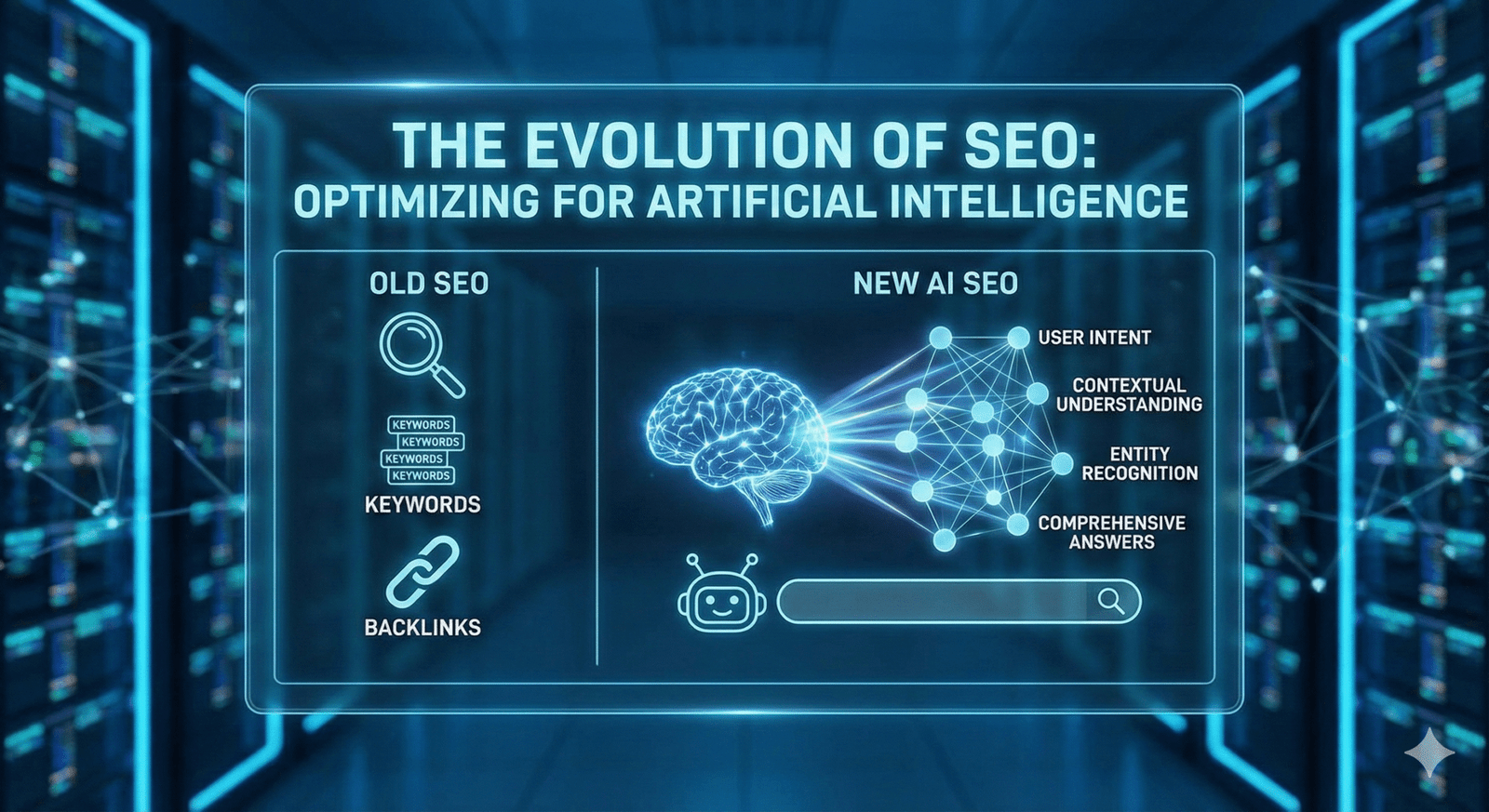
Traditional search engines return ranked lists of web pages. You optimize for keywords using SEO tools, build backlinks, and compete for position one on the search engine results pages (SERPs). Success meant clicks, and clicks meant potential customers—this was the foundation of SEO best practices for decades.
AI agents work differently. Large language models like ChatGPT, Google Gemini, Claude, and Perplexity synthesize information from multiple authoritative sources to generate direct AI responses. Instead of presenting ten blue links on a results page, they provide comprehensive AI-generated summaries that may reference your brand—or completely ignore it. This represents the new SEO reality where AI optimization determines brand visibility.
This shift from link-based search to answer-based search changes everything. Your goal is no longer just ranking high in search results. Now you need AI engines to cite, recommend, and trust your relevant content enough to include it in their AI results—this is the future of SEO in the age of AI.
The Role of Large Language Models in Shaping AI Search Engines
Large language models process vast datasets to understand context, generate human-like responses, and provide personalized AI answers in real-time. When someone asks “What’s the best CRM for small businesses?”, these AI models don’t simply match keywords—they understand user intent, compare options, and synthesize recommendations based on factors like company size, budget, and specific needs.
AI Overviews have changed the meaning of keyword rankings, with over 12.8% of all search volume now triggering Google’s AI Overviews. These AI-generated summaries appear prominently at the top of search pages through Google’s AI Mode, often answering user questions without requiring any clicks to traditional search results.
The implications are staggering: Just 8% of users who encountered an AI summary clicked on a traditional search result link, compared to those who did not encounter an AI summary, who clicked nearly twice as often. Your brand either appears in these AI responses, or you’ve essentially become invisible to a significant portion of your target audience. Learn more about this shift through case studies showing how businesses adapt their SEO practices for the AI era.
How AI-Generated Responses Replace Traditional Search Results
AI-generated responses don’t complement traditional search—they’re actively replacing it. The prevalence of AI Overviews on desktop searches has surged nearly 475% year-over-year between September 2024 and September 2025, dramatically altering the search results page landscape and creating new challenges for content types across different content creation strategies.
What does this look like in practice? When users search for information using search queries, they’re increasingly served comprehensive AI-generated content that extracts key points from multiple web pages. The typical AI summary is 67 words long, with the vast majority citing three or more authoritative sources. Users get their AI answers instantly, often without needing to visit any websites—marking a fundamental shift in search behaviour.
For businesses, this creates an urgent challenge. Studies show AI Overviews correlate with a 34.5% drop in position one click-through rates for top-ranking pages. Even more concerning, queries without AI Overviews have lost 41% of their click-through rate year-over-year—a clear indicator of changing search trends and evolving user experience expectations.
The traffic isn’t coming back. This is the new baseline for digital marketing in 2026 and beyond. SEO teams must adapt their strategies to focus on brand authority and AI visibility rather than solely pursuing traditional search traffic metrics.
Important Link: What Is SEO and Why Does It Matter for Your Business?
Impact on User Intent and Search Behavior
User behavior has evolved alongside AI search technology. Google is far more likely to serve an AI Overview for longer, natural-sounding queries, with just 8% of one or two-word searches producing AI summaries versus 53% for searches with ten words or more—demonstrating how search algorithms now prioritize conversational user queries over traditional keyword-based search patterns.
Customers are asking questions differently. They’re using conversational language, asking follow-up questions, and expecting personalized recommendations. AI engines excel at understanding this natural language, making them increasingly preferred over traditional keyword-based search. This represents one of the most significant use cases for Gen AI technology in transforming how people interact with search platforms.
Generative models attract younger users such as Millennials and Zoomers, who often skip search engines entirely. These digital natives expect instant, conversational answers—and AI delivers exactly that experience.
Key Components of AI SEO
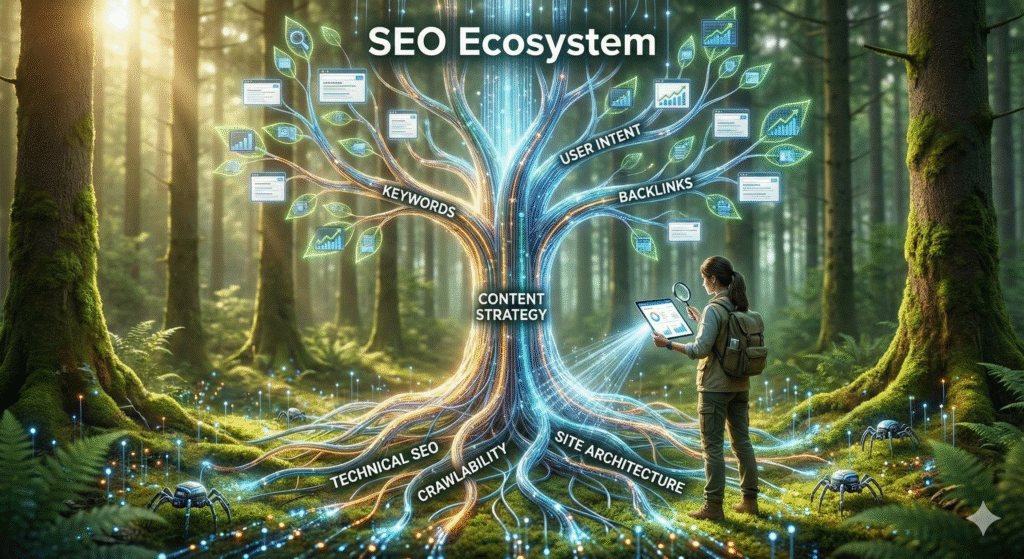
Succeeding in this new landscape requires understanding the distinct strategies that drive AI visibility. The traditional SEO playbook remains valuable for maintaining organic traffic, but it’s no longer sufficient on its own. Related Articles throughout the SEO industry emphasize the need for integrated approaches combining traditional and AI-focused tactics.
Understanding Generative Engine Optimization (GEO)
Generative Engine Optimization is the process of optimizing your SEO content and brand presence to get referenced, cited, or mentioned inside AI-generated answers by tools like Google’s AI Overviews, ChatGPT, Gemini, or Perplexity. This represents the new SEO paradigm for the age of AI.
Think of it this way: traditional search engine optimization helps you rank in search results. GEO helps you surface in AI answers. When someone asks ChatGPT about products in your category and your brand appears in the response, that’s GEO at work—a critical component of modern digital marketing that creates brand mentions across AI engine platforms.
The fundamental principle is straightforward: GEO treats AI models as another consumer of your content, one that values semantic clarity, structured data from the Knowledge Graph, and brand authority. Just as you optimize content for search engine crawlers, you now need to optimize for AI systems that extract, understand, and cite information—this is Answer Engine Optimization in practice.
The Relationship Between SEO, GEO, and AI Visibility
Here’s the critical insight many marketers miss: GEO and SEO aren’t enemies—GEO is very much an extension of SEO, with the content that earns mentions in AI answers showing significant overlap with content ranking well organically.
The three pillars work together:
Traditional SEO builds your foundation. Strong domain authority, quality backlinks, Technical SEO optimisation, and ranking content create the credibility signals that AI systems recognise—essential for long-term visibility across traditional search engines.
Generative Engine Optimization (GEO) structures your content so AI engines can easily extract and cite it. This includes schema markup, clear question-answer formats, and authoritative source signals that help you appear in AI search results.
AI Visibility Strategy encompasses both, focusing specifically on getting your brand mentioned, recommended, and trusted by AI platforms across all customer touchpoints. This holistic approach ensures consistent brand visibility whether users engage through voice search, chatbots, or traditional search methods.
If SEO builds the authority, GEO amplifies it. Businesses that integrate both strategies position themselves where the next generation of customer discovery happens. See a Table of Contents of related blog posts to learn more about implementing these integrated strategies across your marketing stack.
Optimizing Content for AI-Generated Results
Creating high-quality content that AI engines want to cite requires strategic adjustments to how you write, structure, and present information. This new era demands both content quality and optimal formatting to ensure your original content appears in AI-generated responses.
Schema Markup and Its Role in AI Answers
Schema markup provides AI systems with structured data that explicitly defines what your SEO content means. While humans can infer context, AI engines rely on clear signals to understand whether a page discusses a product, an article, a recipe, or a Business Profile location.
Implementing schema markup has become non-negotiable for AI visibility. Essential schema markups include Organization, Article, Product, FAQ, HowTo, Review, and BreadcrumbList schemas. These structured data types help AI engines quickly parse your content and determine its relevance to user queries—a fundamental aspect of modern AI SEO strategies.
The technical implementation is straightforward. Use JSON-LD format to add schema directly to your page code. Google’s Structured Data Testing Tool allows you to validate implementation—even small errors can prevent AI systems from properly understanding your content and extracting AI results from your pages.
Crafting High-Quality Content for AI-Generated Summaries
AI engines prioritize content demonstrating Experience, Expertise, Authoritativeness, and Trustworthiness (E-E-A-T). This isn’t just Google’s preference—all major AI systems favor content from credible sources.
Experience means demonstrating real-world application. Include case studies, specific examples, detailed processes, and original insights. Generic content gets ignored; practical experience gets cited.
Expertise requires showcasing deep subject knowledge. Author credentials matter. Industry certifications matter. Demonstrable expertise in your field signals to AI that your content deserves trust.
Authoritativeness comes from external validation. Quality backlinks, media mentions, citations from other authoritative sites—these signals tell AI engines your brand is recognized by others in your industry.
Trustworthiness encompasses transparency, accuracy, and user safety. Clear sourcing, factual accuracy, secure website infrastructure, and transparent business practices all contribute to trustworthiness signals.
Content structured for AI summarization follows specific patterns. Start with clear, concise summaries. Use descriptive headers that directly answer user questions. Break complex topics into digestible sections. GPT-4 favors content with structured summaries and TL;DR sections at the top of articles, using consistent formatting with headers, bullets, and short paragraphs—elements critical to generating content that AI engines can parse effectively.
Focusing on User Queries and Knowledge Graph Integration
Wikipedia dominates ChatGPT, accounting for nearly half of its top citations, indicating AI values comprehensive, neutral, well-structured information over promotional content. This reveals a critical insight: AI systems prefer objective, informative content that genuinely answers user questions at a high-level while maintaining depth and accuracy.
Structure your content around actual user queries. Use search tools like AnswerThePublic, Google’s “People Also Ask” section, and keyword research platforms to identify real questions your audience asks. Then create relevant content that comprehensively answers these questions in clear, accessible language—optimizing keyword density naturally without forcing repetitive terms.
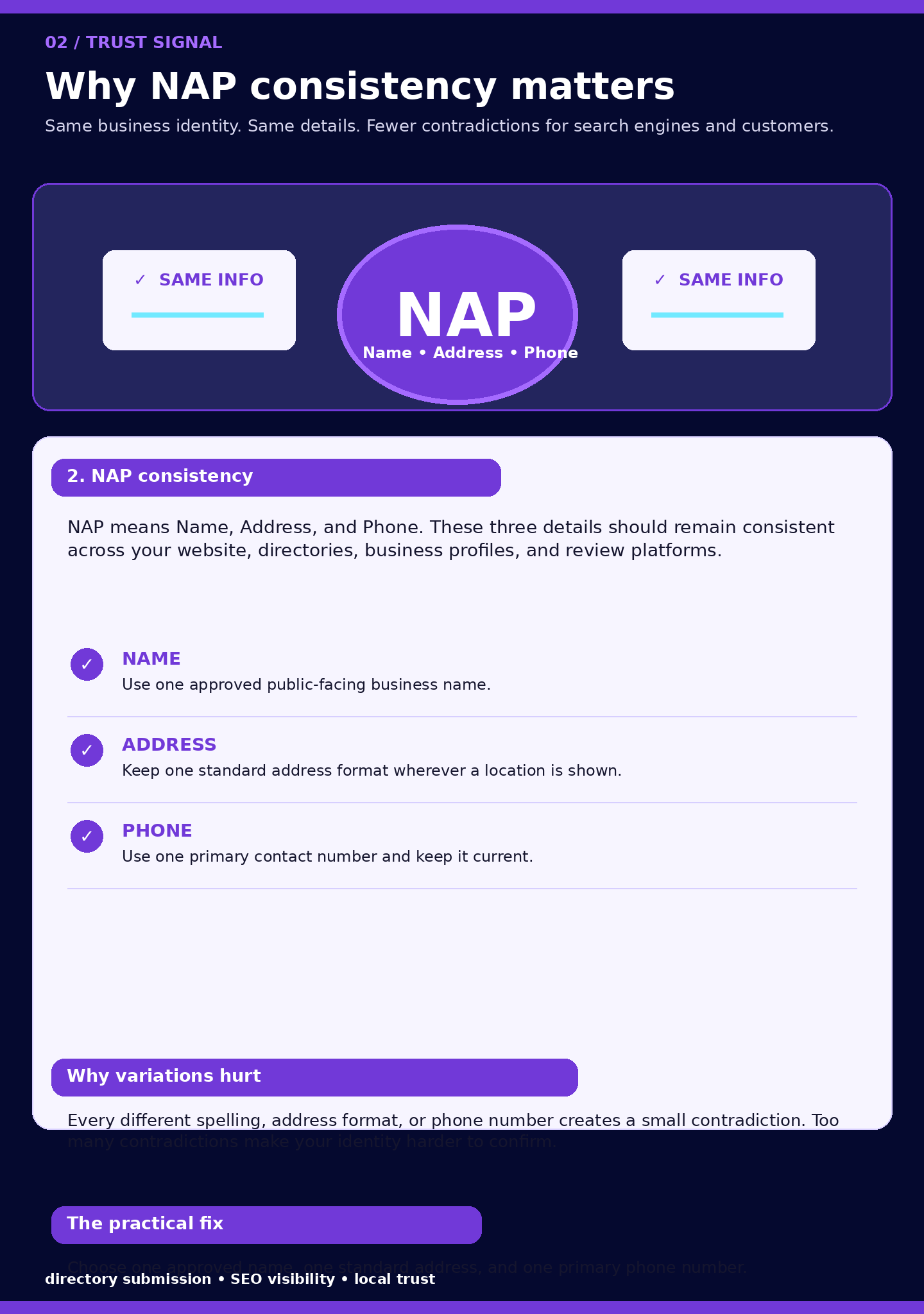
Knowledge graph integration means establishing your brand’s entity relationships. Consistent NAP (Name, Address, Phone) across the web, Wikipedia presence if possible, brand mentions in industry publications, and structured data all help AI systems understand how your brand fits within the broader ecosystem of related entities—ensuring your digital PR efforts translate into AI visibility.
AI Visibility and SEO Practices
Achieving visibility in AI-generated results requires adapting traditional SEO practices while introducing new ways of thinking specifically for AI platforms. This balance between old and new tactics defines successful SEO practices in the AI era.
How Search Platforms Prioritize AI Optimization
Different AI platforms have distinct preferences for content types and sources. Reddit appears heavily in both Gemini and Perplexity, with Perplexity showing particular preference for community discussions and real user experiences—an important consideration when planning your content strategy across diverse content types.
Understanding platform-specific preferences allows you to tailor your content strategy across search platforms:
Google AI Overviews prioritize structured content with strong E-E-A-T signals, schema markup, and comprehensive answers to common queries.
ChatGPT favors authoritative sources like Wikipedia, academic institutions, and established publishers with clear, well-organized information.
Perplexity emphasizes recent, transparent citations with clean editorial structure and scannable formatting.
Gemini values user-generated content, community discussions, and real experiences alongside traditional authoritative sources—expanding the definition of what constitutes credible SEO content.
The Rise of Zero-Click Search and AI Responses
According to Similarweb data, zero-click search increased from 56% to 69% between May 2024 and May 2025. This dramatic shift means more than two-thirds of searches now end without any click to external websites—fundamentally changing how we measure search traffic and user experience success.
The zero-click trend forces a fundamental recalculation of digital marketing ROI. Search traffic isn’t disappearing—it’s being consumed differently through AI responses. Just over a quarter of searches that produced an AI summary were closed without users clicking through to any links, compared with 16% of pages with only traditional search results.
This creates new imperatives for Content Marketing strategy. You can’t rely solely on website traffic as your success metric. Instead, focus on:
Brand visibility within AI responses—are you being mentioned when relevant topics are discussed?
Citation quality—are AI systems presenting your brand as an authoritative source?
Share of AI voice—what percentage of relevant AI answers include your brand compared to competitors?
Direct traffic increases—users who discover your brand through AI often return directly, bypassing search entirely and reducing bounce rates.
Using SEO Tools to Monitor Keyword Density and Brand Mentions
Traditional analytics miss most AI-driven value. You need new measurement approaches that capture your presence in AI-generated content—tracking both search volume in traditional engines and your appearance frequency in AI responses.
AI Visibility Rate tracks how often your brand appears in AI responses for target queries. This metric replaces traditional click-through rates as the primary indicator of AI SEO success in the new era.
Monitor your brand across multiple AI platforms. Tools like Promptmonitor, Otterly AI, Scrunch AI, and Writesonic provide tracking capabilities specifically for AI mentions. These platforms test hundreds or thousands of prompts related to your industry and track which brands AI systems recommend.
Citation frequency matters more than keyword density in the AI era. Track not just whether you’re mentioned, but how you’re positioned—as a primary recommendation, a comparison alternative, or a cited source for specific information.
AI-Powered Content Creation and Marketing Strategy
Artificial intelligence isn’t just changing how content is discovered—it’s transforming content creation and distribution across the entire marketing strategy. Understanding how to use AI effectively while maintaining human oversight is crucial for long-term success.
Leveraging Generative AI for Business Profiles
Generative AI tools can enhance content creation workflows through content creation automation, but strategic human oversight remains essential. Use AI to generate content outlines, identify gaps in existing blog posts, create variations for A/B testing, and scale content production—but always with expert review and refinement to ensure generated content meets quality standards.
For business profiles specifically, ensure consistent, comprehensive information across all platforms where AI might source data. This includes your website, Google Business Profile, industry directories, review sites, and social media channels. AI systems aggregate information from multiple sources, so inconsistencies hurt your chances of being accurately represented.
Creating Authoritative Sources for SEO Content
Domain authority still matters significantly for AI citations. Building authority requires a multi-pronged approach:
Publish original research and data that others cite. Original statistics, industry surveys, and proprietary insights make your content citation-worthy.
Earn high-quality backlinks from respected publications in your industry. These external validation signals tell AI systems your content deserves trust.
Maintain content freshness with regular updates. AI engines value lastmod tags that accurately reflect when content was updated.
Build topical authority by comprehensively covering your niche. Rather than surface-level content across many topics, go deep on your core expertise.
Boosting Referral Traffic with Targeted AI-Generated Content
While direct clicks from AI overviews may decline, strategic AI optimization actually increases qualified referral traffic. Users who discover your brand through AI recommendations arrive with higher intent and better understanding of your offerings.
Create content specifically designed to answer commercial intent queries where AI systems increasingly provide recommendations. Focus your strategy on topics tied to commercial or comparison-stage prompts, where AI answers most influence purchase decisions.
Examples include “best [product] for [specific use case],” “comparison between [product A] and [product B],” “[service] for [industry/size],” and “alternatives to [competitor].” These queries capture users actively researching solutions, and AI systems increasingly provide detailed recommendations for them.
Case Studies: AI in Digital Marketing
Real-world implementations demonstrate both the challenges and opportunities of AI-driven search.
Examples of Successful AI-Driven Content Marketing
NerdWallet provides a compelling case study. The financial comparison site grew revenue over 35% in 2024 while website traffic decreased by 20%. This seemingly contradictory result came from strategic focus on AI visibility for high-value keywords. By appearing in AI-generated financial recommendations, they captured qualified users with stronger purchase intent.
B2B SaaS companies are seeing particularly strong results. The presence of AI Overviews for B2B tech-related queries increased from 36% to 70% of search results containing AI summaries. Companies optimizing for these AI appearances report higher conversion rates despite lower overall traffic volume.
Improving Brand Visibility and Organic Traffic
The key insight from successful implementations: AI visibility and traditional organic traffic aren’t mutually exclusive. The brands showing up in AI-generated answers are usually the same ones dominating organic search—they’ve just learned to make their authority legible to a new kind of reader.
Effective strategies include:
Comprehensive topic coverage that establishes you as the definitive resource in your niche
Multi-format content including articles, videos, infographics, and interactive tools that different AI systems can reference
Active community engagement on platforms like Reddit and Quora where AI systems increasingly source information
Consistent brand messaging across all digital touchpoints so AI systems accurately represent your value proposition
Understanding User Experience in the AI Era
The fundamental user experience of search has transformed, requiring new approaches to content presentation and engagement.
From Blue Links to AI-Generated Answers
The interface of information discovery has evolved from lists of links to conversational exchanges. Users now expect immediate, synthesized answers rather than browsing multiple websites to piece together information.
This shift favors brands that provide clear, authoritative information in formats AI can easily extract and present. Long-form, comprehensive content that thoroughly addresses topics performs better than thin content targeting individual keywords.
How Search Queries Are Influenced by Real-Time AI Responses
AI systems provide instant feedback that shapes how users refine their queries. When ChatGPT provides an answer, users immediately ask follow-up questions, creating conversational search patterns rather than isolated keyword queries.
This conversational dynamic means your content needs to address not just primary queries but the natural progression of related questions users ask. Content structured as comprehensive resources that anticipate follow-up questions performs better in AI contexts than narrowly focused articles.
Enhancing User Experience with AI Search Results
For businesses, the goal is ensuring that when users encounter AI-generated responses mentioning your brand, those mentions accurately represent your value proposition and create desire to learn more.
Optimize for the complete customer journey:
Awareness stage: Ensure AI systems mention your brand when discussing category solutions Consideration stage: Provide detailed comparisons that position your differentiation Decision stage: Make conversion paths clear when users do visit your site from AI referrals
Impact on Search Traffic and Click-Through Rates
Understanding the full scope of AI’s impact on traditional metrics helps set realistic expectations and identify new opportunities.
Monitoring Bounce Rates and Search Volume in AI Models
Non-branded keywords show a 19.98% click-through rate decline when AI Overviews appear, with the impact more severe for pages not ranking in the top three positions.
However, not all news is negative. Branded keywords get an 18.68% CTR boost when AI Overviews appear, likely due to greater user intent and brand familiarity. This suggests brand building becomes more valuable in the AI era.
Search volume itself hasn’t declined—users still have questions and need information. But how they consume that information has fundamentally changed. People do not have fewer questions; users are changing how and where they ask questions both in Google and in large language models.
Adapting to New Ways Users Engage with AI Engines
Around one-in-five Google searches in March 2025 produced an AI summary, and this percentage continues growing. Users who encounter these summaries behave differently than those who see traditional results.
The engagement patterns reveal important insights:
Users spend more time with AI-generated content, reading complete summaries rather than quickly scanning titles and snippets
When AI summaries include citations, users selectively click through to sources for deeper information on specific aspects
Government websites are more common in AI summaries than in standard search results, with 6% of AI Overview sources being .gov websites compared to just 2% for traditional results
Adapt your content strategy to these new engagement patterns. Create content worth citing rather than content designed solely to generate clicks. Focus on being the authoritative source AI systems trust for specific topics within your expertise.
Technical SEO and AI Integration
Technical optimization becomes even more critical when AI systems parse your content.
Preparing for Google’s AI Mode
Google’s AI Mode represents the search giant’s full embrace of conversational AI search. Preparing requires ensuring your technical SEO foundation is solid:
Site speed optimization: AI crawlers, like traditional crawlers, favor fast-loading sites. Compress images, minimize code, leverage caching, and use content delivery networks.
Mobile optimization: With voice search predominantly mobile, responsive design and mobile-first indexing are essential.
Crawl efficiency: Clean site architecture, logical URL structures, and efficient internal linking help AI systems understand your site hierarchy and content relationships.
Structured data implementation: Comprehensive schema markup across all relevant content types gives AI explicit signals about your content’s meaning and structure.
Performing Technical Audits for AI Search Engines
Regular technical audits should now include AI-specific elements:
Test how AI systems currently represent your brand by running relevant queries across ChatGPT, Perplexity, Google AI Overviews, and Gemini
Validate all structured data implementation using testing tools to ensure AI systems can parse your markup correctly
Check for duplicate content issues that might confuse AI systems about which version is authoritative
Verify that your robots.txt and crawl directives aren’t inadvertently blocking AI crawlers
Monitor site performance metrics that indicate AI crawler activity and adjust server resources if needed
Using Google Search Console to Analyze AI Results
Google Search Console now provides data on how your content appears in AI Overviews. Monitor:
Impressions for AI Overview appearances: Track which queries trigger AI summaries featuring your content
Click patterns: Compare click-through rates for queries with and without AI Overviews to understand impact on your specific content
Position data: Understand whether your ranking position correlates with AI citation frequency
Search query variations: Identify long-tail, conversational queries where AI Overviews appear most frequently
Balancing Traditional and AI SEO Tools
Success requires integrating traditional SEO capabilities with new AI-focused tools.
Adapting to Search Trends and the Future of SEO
By 2026, generative engine optimization has become a standard part of digital marketing strategies, with many firms incorporating GEO into their SEO workflows.
The integration of traditional and AI-focused optimization isn’t optional—it’s necessary for survival. Companies treating these as separate strategies miss the synergies that create compounding advantages.
Traditional SEO tools remain valuable for:
- Keyword research and search volume analysis
- Backlink monitoring and competitive analysis
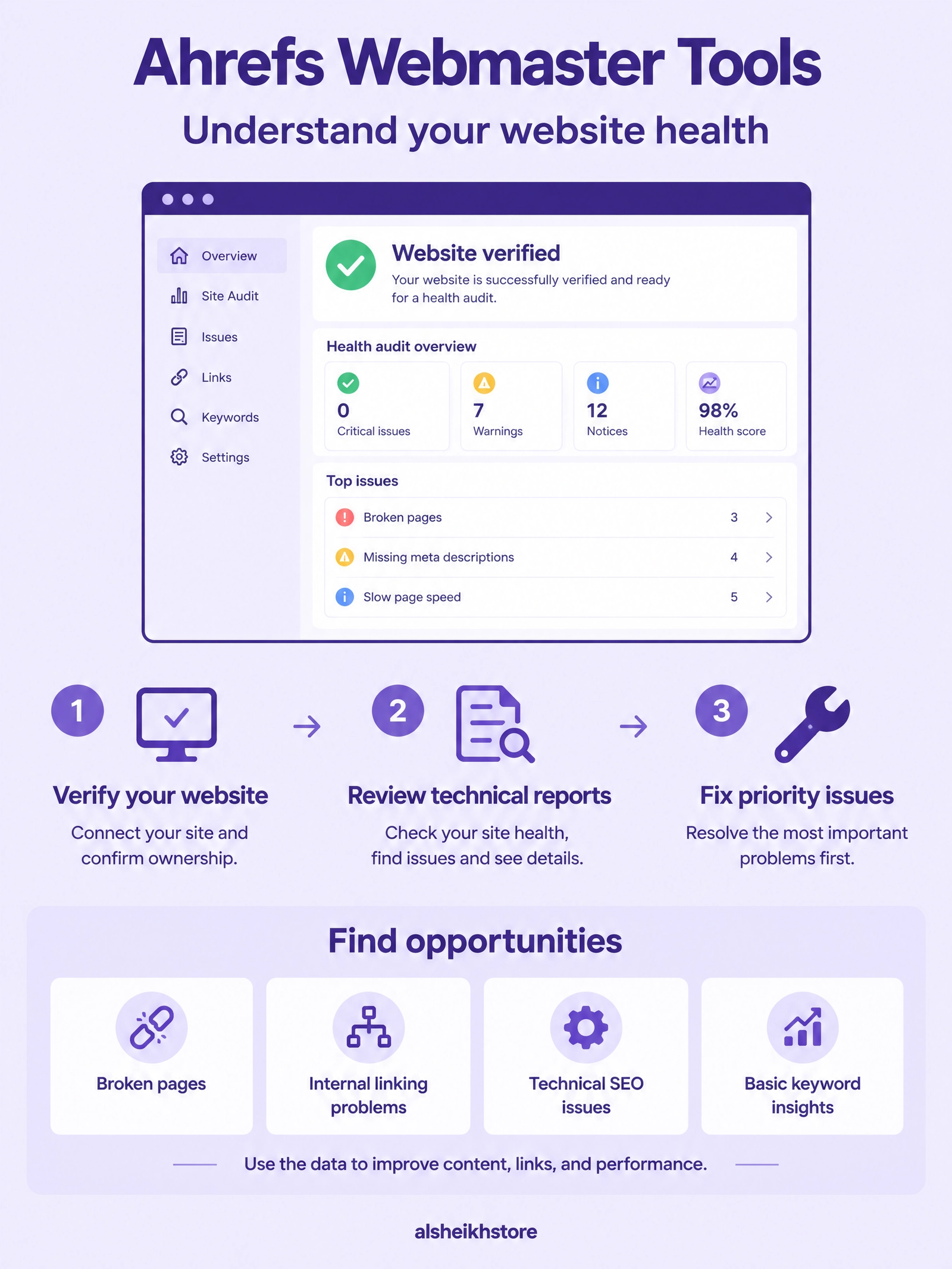
- Technical SEO audits and site health monitoring
- Traditional ranking and traffic analytics
AI SEO tools add capabilities for:
- AI citation tracking across multiple platforms
- Share of AI voice measurement
- Prompt testing and optimization
- AI visibility benchmarking against competitors
Long-Term Strategies for SEO Teams in the AI Era
Your SEO strategy cannot rely on changing your targeting to avoid AI Overviews; you’ll need a strategy that reframes your KPI as maintaining your share and visibility, rather than simply driving traffic.
This fundamental shift requires updating key performance indicators:
From: Click-through rate → To: Citation frequency and brand mention rate
From: Keyword rankings → To: Share of AI voice for relevant queries
From: Organic traffic → To: Qualified referral traffic + direct traffic growth
From: Backlink quantity → To: Authoritative citation quality
Long-term success requires continuous adaptation. AI search engines continuously retrain on new content, so emerging intents appear first in generative answers—not in keyword tools. Monthly monitoring and iterative optimization become essential rather than optional.
Actionable Tips for AI SEO Success
Implementing AI optimization doesn’t require starting from scratch. These tactical steps provide immediate impact:
Focus on Creating Original Content for Diverse Content Types
Develop comprehensive pillar content: Create 3,000+ word resources that thoroughly cover topics from every angle, serving as one-stop resources AI systems want to cite.
Produce original research and data: Statistics, industry surveys, and proprietary insights make your content inherently citation-worthy.
Create multiple content formats: Articles, videos, infographics, podcasts, and interactive tools each appeal to different AI extraction methods.
Update content regularly: Fresh information signals relevance and accuracy to AI systems.
Leverage Generated Content to Answer User Questions
Structure your content explicitly around questions:
Use actual user queries as headers and subheaders
Create dedicated FAQ sections with schema markup
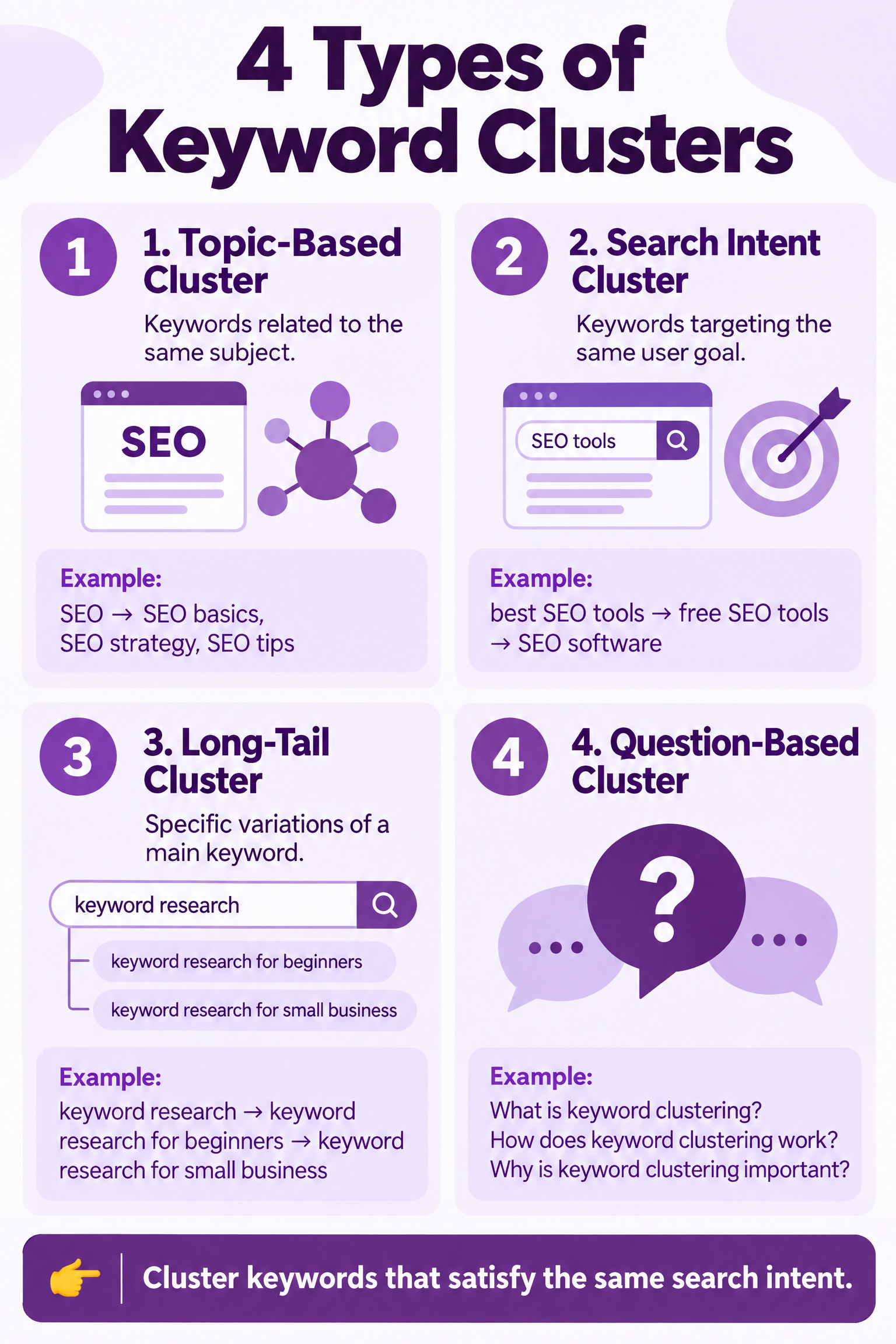
Develop question-cluster content that addresses related queries comprehensively
Implement HowTo schema for procedural content
Perplexity prefers transparent citations and clear editorial structure, with scannable formats using short, declarative statements. Adapt your writing style to match what AI systems value.
Use AI Agents to Enhance Digital PR and Brand Authority
AI tools can amplify your digital PR efforts:
Monitor brand mentions across the web using AI-powered listening tools
Identify opportunities for expert contributions and guest posts using AI analysis
Generate outreach templates personalized at scale
Analyze competitor mention patterns to identify gap opportunities
Track sentiment and context around brand mentions
Monitor Datasets and Search Algorithms for Better AI Optimization
Re-run the same prompts monthly, as AI search engines continuously retrain on new content so emerging intents appear first in generative answers.
Establish regular monitoring schedules:
Daily: Check for major algorithm updates or AI platform changes
Weekly: Review brand mentions in AI responses for priority queries
Monthly: Conduct comprehensive prompt testing across all major AI platforms
Quarterly: Perform full technical audits and strategy reviews
Adapting to the New Era of AI and SEO
The transformation of search through artificial intelligence represents the most significant shift in digital marketing since the emergence of Google itself.
Embrace Innovative SEO Practices for the Digital Landscape
Innovation in SEO now means recognizing that visibility extends far beyond traditional search engine results pages. Your brand’s digital presence includes:
How ChatGPT describes your company when asked about industry solutions
Whether Perplexity cites your research when answering relevant questions
What information Google’s AI Overview pulls from your content
How Claude characterizes your products in comparison queries
Success requires optimization across all these touchpoints simultaneously.
Stay Updated on AI Engines and Related Developments
The AI search landscape evolves constantly. New platforms emerge, existing systems update their algorithms, and user preferences shift. Staying informed requires:
Following official announcements from major AI platforms
Monitoring industry publications for AI search studies and data
Participating in communities where AI search optimization is discussed
Testing your own brand visibility monthly to detect changes early
Attending industry conferences and webinars focused on AI marketing
The investment in staying current pays dividends as you adapt faster than competitors.
Frequently Asked Questions
Q: What is Generative Engine Optimization (GEO)?
Generative Engine Optimisation is the practice of optimizing your content and brand presence to appear in AI-generated responses from platforms like ChatGPT, Google AI Overviews, Perplexity, Claude, and Gemini. Unlike traditional SEO that focuses on ranking in search results, GEO aims to get your brand cited, mentioned, and recommended within the actual AI-generated answers users receive.
Q: How is GEO different from traditional SEO?
Traditional SEO optimizes for search engine rankings to drive website clicks, while GEO optimizes for AI citation and recommendation within generated answers. SEO focuses on keywords, backlinks, and page rankings. GEO emphasizes structured data, clear answers to questions, and authoritative source signals that AI systems recognize. However, they’re complementary—strong SEO creates the foundation that GEO builds upon.
Q: Are AI Overviews killing website traffic?
Yes, AI Overviews significantly impact click-through rates. Studies show position one CTR drops by approximately 34.5% when AI Overviews appear, and zero-click searches have increased from 56% to 69% between May 2024 and May 2025. However, this doesn’t mean opportunity has disappeared—brands appearing in AI responses often see increased brand awareness and higher-quality traffic from users who do click through. The key is adapting your strategy to prioritize AI visibility alongside traditional metrics.
Q: Which industries are most affected by AI search changes?
Educational content, recipe sites, health information, fashion, travel, and DIY content have experienced some of the steepest traffic declines, with some sites reporting 40-70% drops. Conversely, B2B tech-related queries now trigger AI Overviews 70% of the time, creating new opportunities for technology companies that optimize effectively. Entertainment and insurance industries have also seen substantial increases in AI Overview presence.
Q: How do I measure success in AI SEO?
Traditional metrics like click-through rate and keyword rankings remain important but are incomplete. New metrics include AI Visibility Rate (how often your brand appears in relevant AI responses), Share of AI Voice (percentage of relevant queries where you’re mentioned versus competitors), Citation Quality (how you’re positioned within AI responses), and Brand Search Growth (indicating AI-driven awareness). Tools like Promptmonitor, Otterly AI, and Writesonic help track these AI-specific metrics.
Q: Should I use the same content for SEO and GEO?
Yes, with strategic structural adjustments. The same high-quality, authoritative content works for both when properly formatted. Add schema markup, use clear question-answer structures, include concise summaries at the top of articles, implement FAQ sections with proper markup, and ensure content thoroughly addresses topics comprehensively. Content that satisfies human readers while being machine-readable performs best across both traditional and AI search.
Q: How long does it take to see results from AI optimization?
Initial results can appear within 2-4 weeks as AI systems recrawl and update their training data. However, building consistent authority that earns regular AI citations typically requires 3-6 months of sustained effort. The timeline varies based on your industry competitiveness, existing domain authority, and optimization quality. The advantage is that AI visibility results compound over time—early mentions lead to more mentions as AI systems reinforce successful citations.
Q: What role does schema markup play in AI visibility?
Schema markup is critical for AI optimization. It provides structured data that explicitly tells AI systems what your content represents—whether it’s a product, article, recipe, FAQ, or other content type. Proper schema implementation helps AI engines quickly parse your content, understand relationships between different pieces of information, and accurately extract key facts for inclusion in generated responses. Organizations with comprehensive schema markup consistently see higher AI citation rates.
Q: Can small businesses compete in AI search against large corporations?
Absolutely. AI search actually levels the playing field in many ways because AI systems prioritize answer quality and topical authority over pure domain size. Small businesses with deep expertise in specific niches often outperform larger competitors by creating highly focused, authoritative content that directly addresses specialized queries. Success comes from owning your niche expertise rather than trying to compete across broad categories.
Q: What’s the biggest mistake businesses make with AI SEO?
The most common error is treating AI optimization as a one-time project rather than an ongoing strategy. AI systems constantly update their training data and algorithms, meaning what works today may not work next month. Businesses that succeed maintain consistent content creation, regular optimization based on performance data, and continuous monitoring of AI citation patterns. Another critical mistake is neglecting E-E-A-T principles—AI engines heavily weight expertise and trustworthiness when deciding which sources to cite.
Q: How do I optimize content for multiple AI platforms simultaneously?
Start with universal best practices: comprehensive, accurate content with clear structure, proper schema markup, strong E-E-A-T signals, and authoritative backlinks. Then add platform-specific touches—Wikipedia-style comprehensiveness for ChatGPT, community discussion integration for Perplexity and Gemini, transparent citation structures across all platforms, and consistent brand information everywhere. Testing across multiple platforms monthly helps identify where adjustments are needed.
Q: Is voice search the same as AI search optimization?
They’re related but distinct. Voice search involves users speaking queries to devices, while AI search refers to AI systems generating answers regardless of input method. However, both favor conversational, natural language content and question-based structuring. Optimizing for one often improves performance in the other. Voice search queries tend to be longer and more conversational, characteristics shared with many AI search interactions.

Sharing my journey and learnings in Tech and AI. As a Digital Marketing Expert, I help brands boost their visibility and sales with smart personal branding and the latest AI tricks.
Leave a Reply