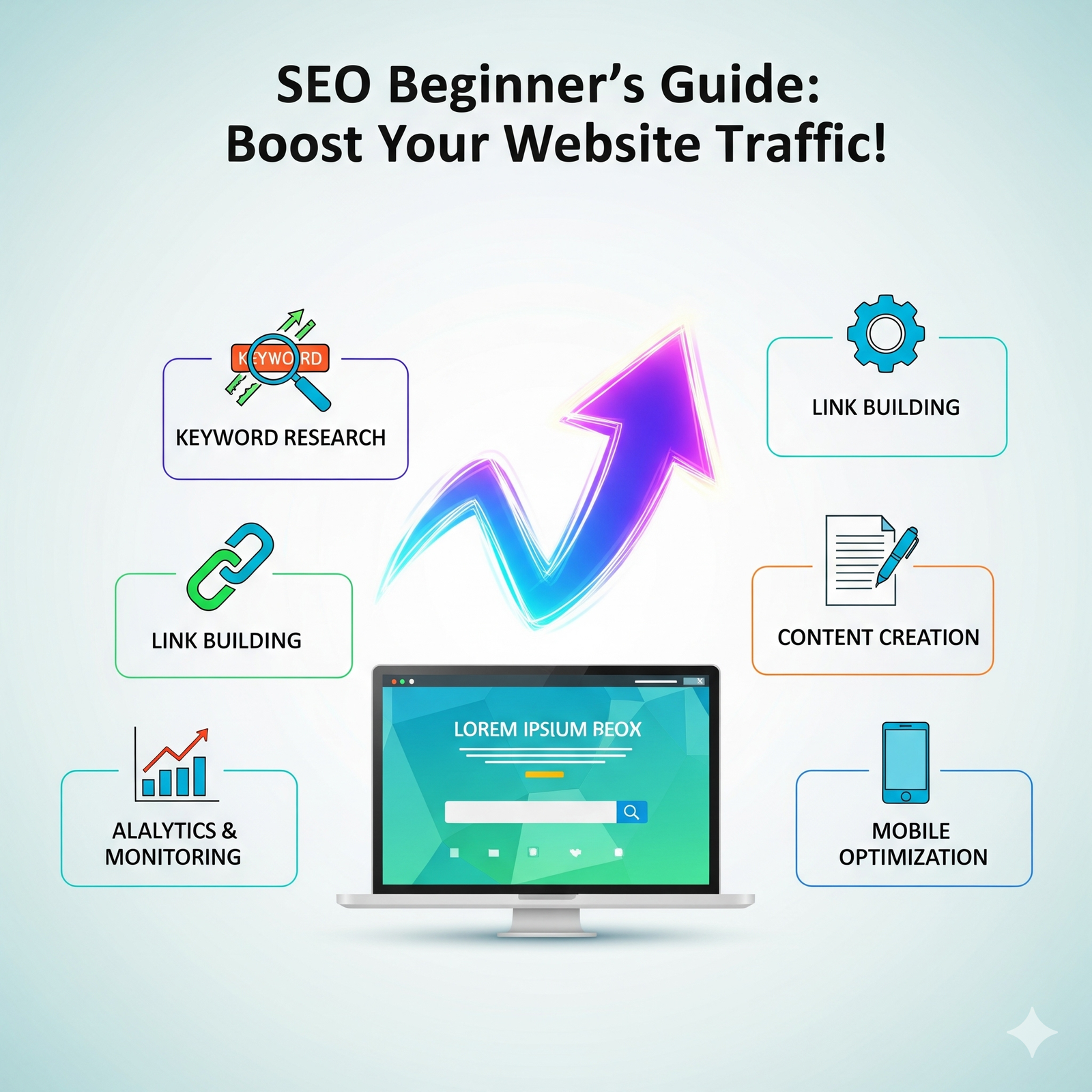
|
Getting your Trinity Audio player ready… |
What Is SEO and Why Does It Matter for Your Business?
Search Engine Optimization (SEO) is the practice of improving your website so it ranks higher in search engine results like Google, Bing, and Yahoo. When someone searches for products, services, or information you offer, SEO helps ensure your website appears prominently in those search results.
Here’s the reality: 75% of users never scroll past the first page of search results. If your website isn’t ranking on page one, you’re missing out on potential customers who are actively looking for what you offer. Whether you’re a local business in Sydney, Melbourne, Brisbane, or anywhere across Australia, SEO isn’t just about traffic—it’s about attracting the right traffic that converts into leads and sales.
As someone who has spent over eight years working in digital marketing and helping Australian businesses grow their online presence, I’ve seen firsthand how strategic SEO transforms struggling websites into traffic powerhouses. The best part? You don’t need to be a technical expert to get started.
How Search Engines Work: The Basics You Need to Know
Before diving into SEO tactics, it’s important to understand how search engines actually work. Google and other search engines use three main processes:
Crawling: Search engine bots (called “spiders” or “crawlers”) browse the internet, discovering new and updated pages by following links from one page to another.
Indexing: Once a page is discovered, the search engine analyzes its content—text, images, videos—and stores this information in a massive database called an index.
Ranking: When someone performs a search, the search engine scans its index and ranks pages based on hundreds of factors, including relevance, quality, user experience, and authority.
Understanding this process is crucial because your SEO strategy needs to help search engines crawl, index, and rank your pages effectively.
Optimizing for AI and LLM-Powered Search
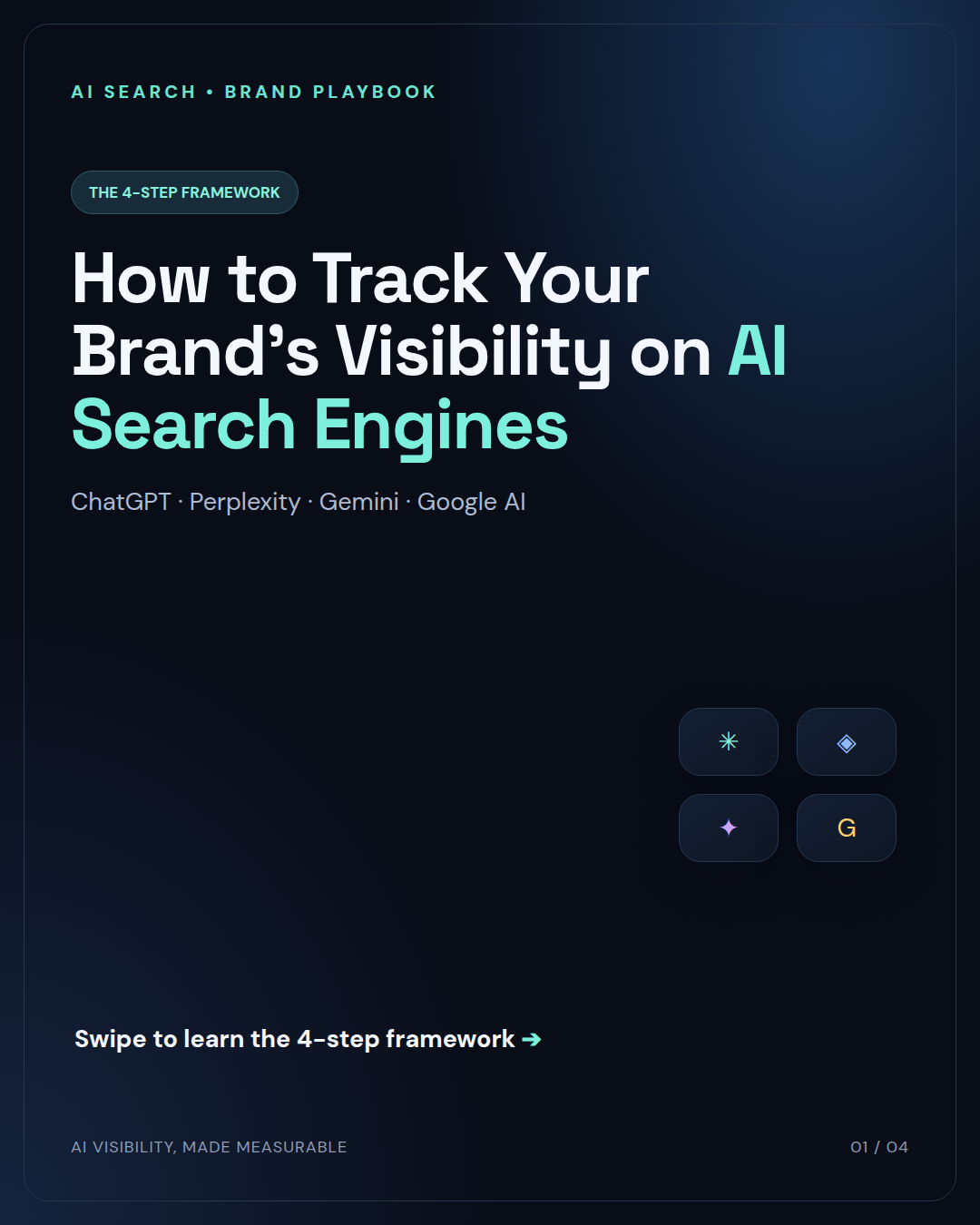
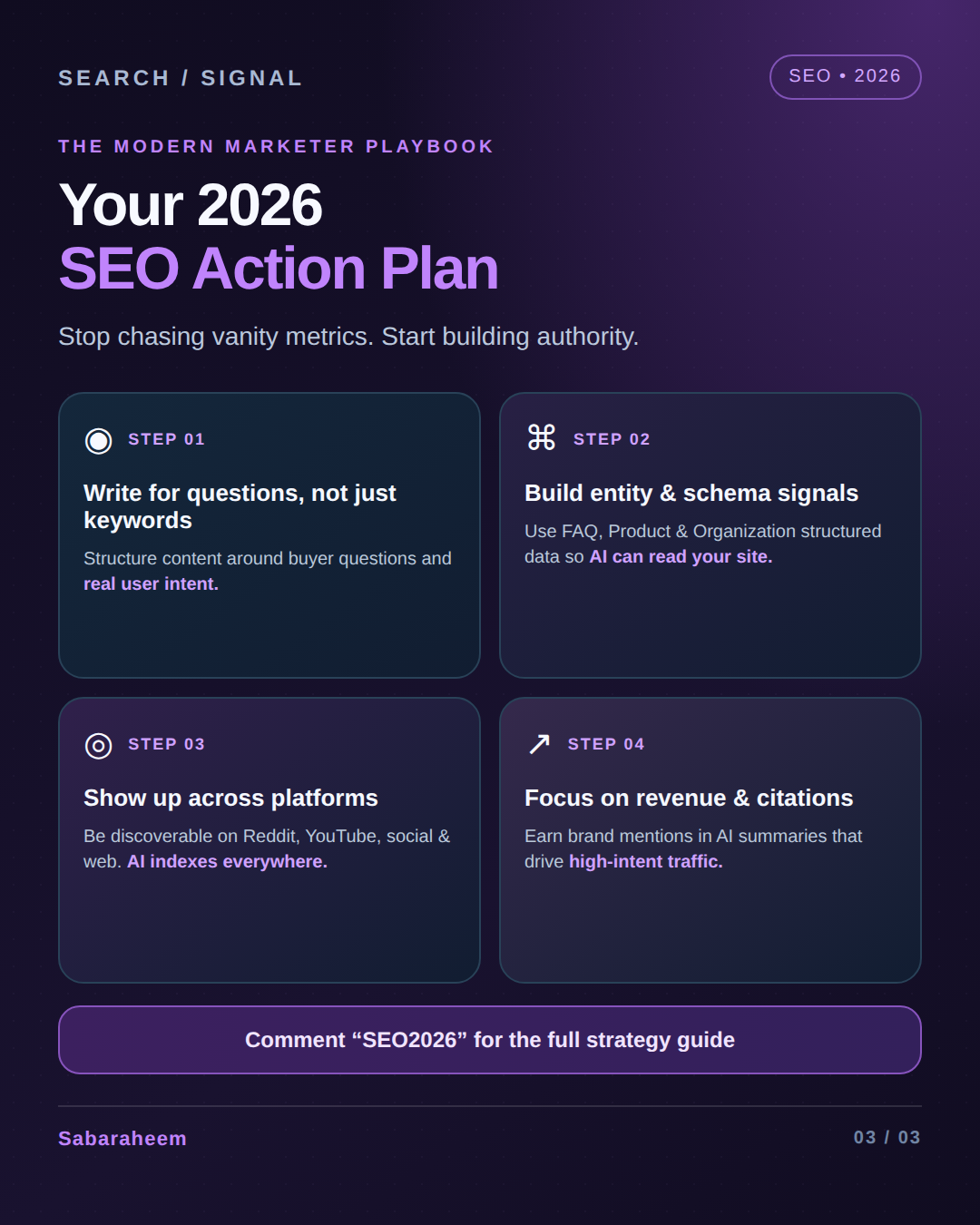
The search landscape is evolving rapidly with the rise of AI-powered search experiences like Google’s SGE (Search Generative Experience), Bing Chat, ChatGPT, and other large language models (LLMs). These AI systems don’t just list links—they synthesize information and provide direct answers.
How LLM Optimization Works: AI models are trained on vast amounts of web content and prioritize clear, authoritative, well-structured information. To optimize for AI-powered search:
- Use clear, concise language that directly answers questions
- Structure content with descriptive headers that clearly indicate what each section covers
- Provide complete, factual answers rather than clickbait or partial information
- Include proper citations and sources to establish credibility
- Use natural language that matches how people actually ask questions
- Create comprehensive content that thoroughly covers topics from multiple angles
When AI systems cite or reference content, they favor sources that demonstrate expertise, provide accurate information, and offer genuine value. This aligns perfectly with Google’s E-E-A-T principles, making quality content more important than ever.
The Core Components of SEO Strategy
SEO isn’t a single tactic—it’s a combination of strategies working together. Here’s a breakdown of the essential components:
| SEO Component | What It Means | Why It Matters | Key Actions |
|---|---|---|---|
| On-Page SEO | Optimizing individual pages on your website | Helps search engines understand your content | Use relevant keywords, optimize title tags, write compelling meta descriptions, use header tags properly |
| Off-Page SEO | Activities outside your website that impact rankings | Builds authority and trust | Earn backlinks from reputable sites, engage on social media, build brand mentions |
| Technical SEO | Behind-the-scenes optimization of your website | Ensures search engines can crawl and index your site efficiently | Improve site speed, ensure mobile-friendliness, fix broken links, create XML sitemap |
| Content Quality | Creating valuable, relevant content for your audience | Satisfies user intent and keeps visitors engaged | Write comprehensive articles, answer questions, provide unique insights, update regularly |
| User Experience (UX) | How visitors interact with your website | Affects engagement metrics that influence rankings | Improve page load time, create intuitive navigation, ensure mobile responsiveness |
| Local SEO | Optimizing for location-based searches | Helps Australian businesses appear in “near me” searches | Claim Google Business Profile, get local citations, encourage customer reviews, use local keywords |
| AEO (Answer Engine Optimization) | Optimizing for AI and voice search answers | Positions content for featured snippets and AI-generated responses | Use question-based headers, provide direct answers, structure data with schema markup |
Proven SEO Strategies That Actually Boost Traffic
Based on my experience working with dozens of businesses, here are the strategies that consistently deliver results:
1. Target the Right Keywords
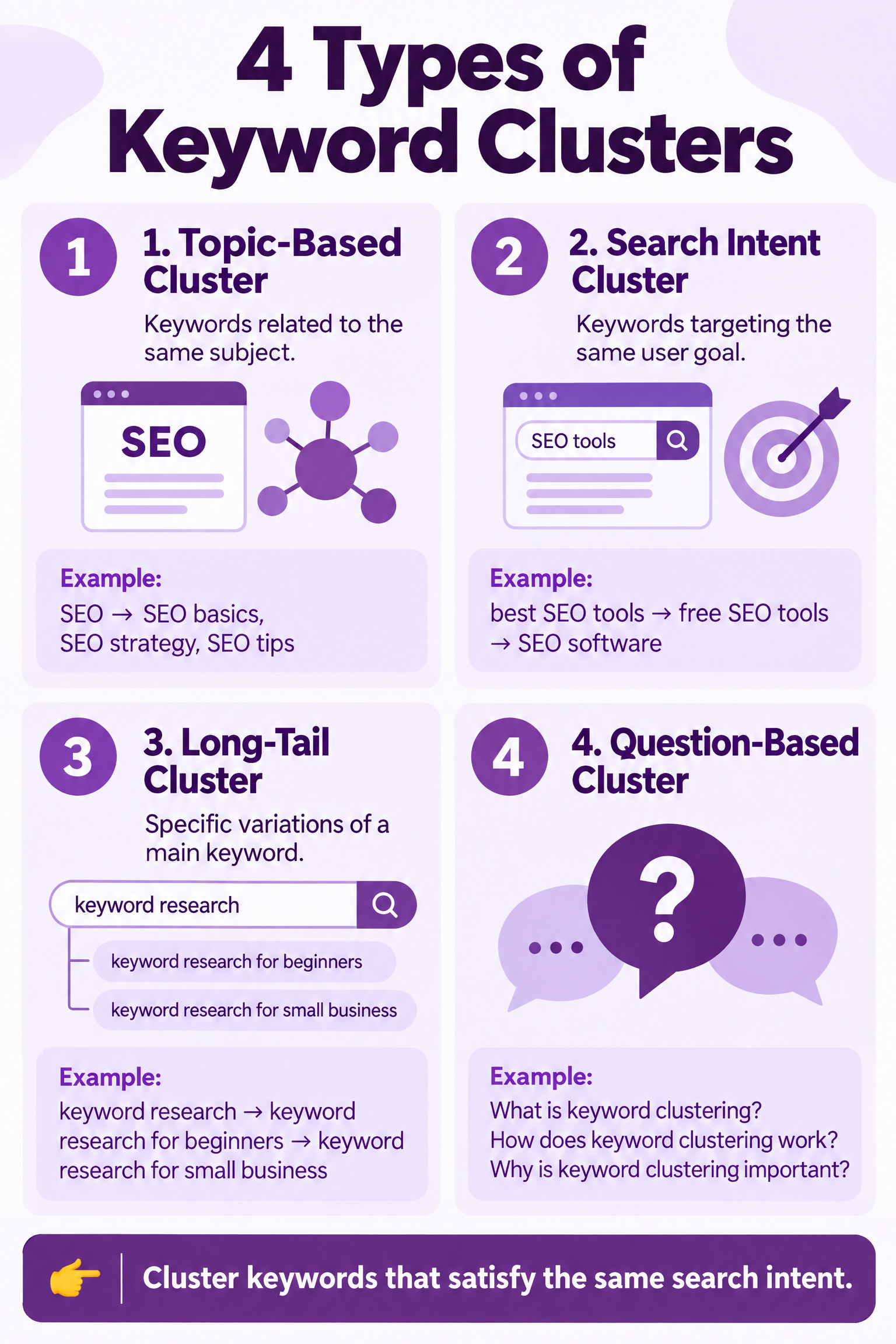
Start by researching what your potential customers are actually searching for. Use free tools like Google Keyword Planner, AnswerThePublic, or Ubersuggest to find keywords with decent search volume and manageable competition. Focus on long-tail keywords (3-5 word phrases) that show specific intent, like “best heat protectant spray for curly hair” rather than just “hair products.”
For Australian businesses: Include geo-specific keywords like “digital marketing agency Sydney,” “plumber near me Brisbane,” or “Melbourne SEO services” to capture local search traffic. Australians also use unique search terms—”tradie,” “chemist” instead of “pharmacy,” “mobile” instead of “cell phone”—so tailor your keywords to local language.
2. Create High-Quality, E-E-A-T Content
Google prioritizes content that demonstrates Experience, Expertise, Authoritativeness, and Trustworthiness. Share your real experiences, back up claims with credible sources, showcase credentials, and be transparent about who created the content. This guide, for example, draws from my eight years of digital marketing experience and includes citations to build credibility.[3]
3. Optimize for Answer Engine Optimization (AEO)
AEO is the practice of structuring content to appear in AI-generated answers, featured snippets, and voice search results. To optimize for AEO:
- Use question-based headers (like “What is SEO?” or “How long does SEO take?”)
- Provide direct, concise answers in the first 2-3 sentences under each header
- Implement schema markup to help search engines understand your content structure
- Create FAQ sections that directly answer common questions
- Format content for voice search using natural, conversational language
When someone asks Siri, Alexa, or ChatGPT a question, well-optimized AEO content is more likely to be selected as the source.
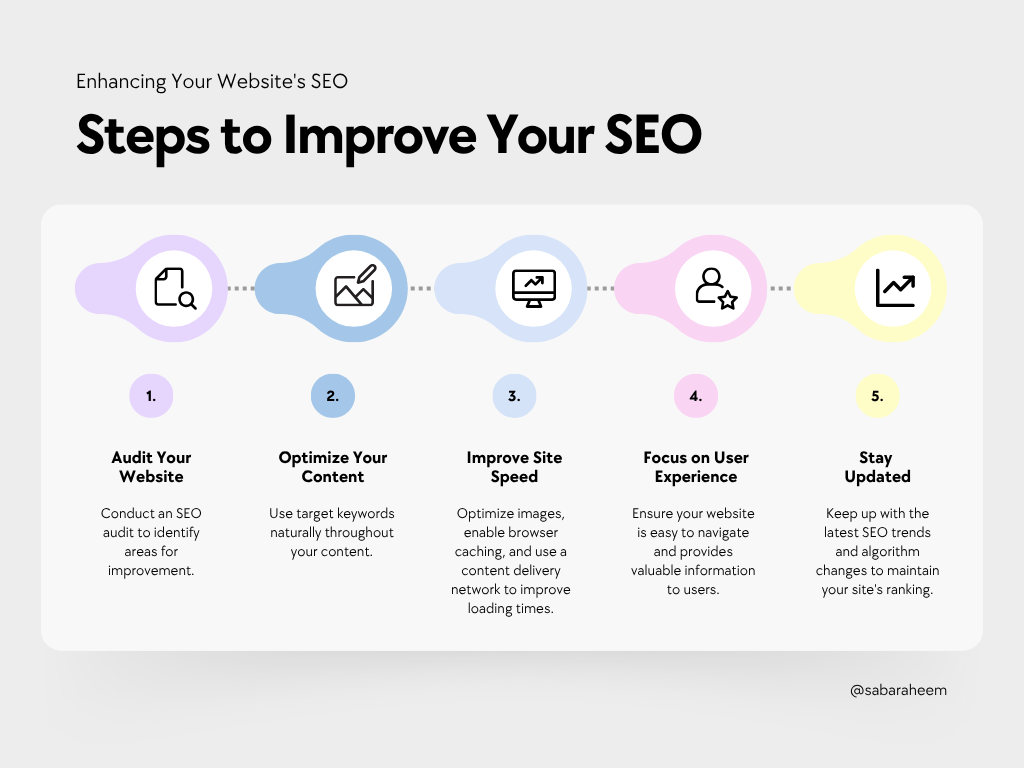
4. Optimize Your On-Page Elements
Every page should have a unique, keyword-rich title tag (under 60 characters), a compelling meta description (under 160 characters), proper header tags (H1, H2, H3) that structure your content, and strategic internal links connecting related pages on your site.
5. Build Quality Backlinks
When reputable websites link to your content, search engines view your site as more authoritative. Focus on earning links naturally by creating valuable content worth sharing, guest posting on industry blogs, getting listed in relevant directories, and building relationships with other businesses in your niche.
For Australian businesses: Target local backlinks from Australian news sites, industry associations, local business directories (like True Local or Yellow Pages Australia), and regional blogs. Local backlinks carry extra weight for geo-targeted searches.
6. Claim and Optimize Your Google Business Profile
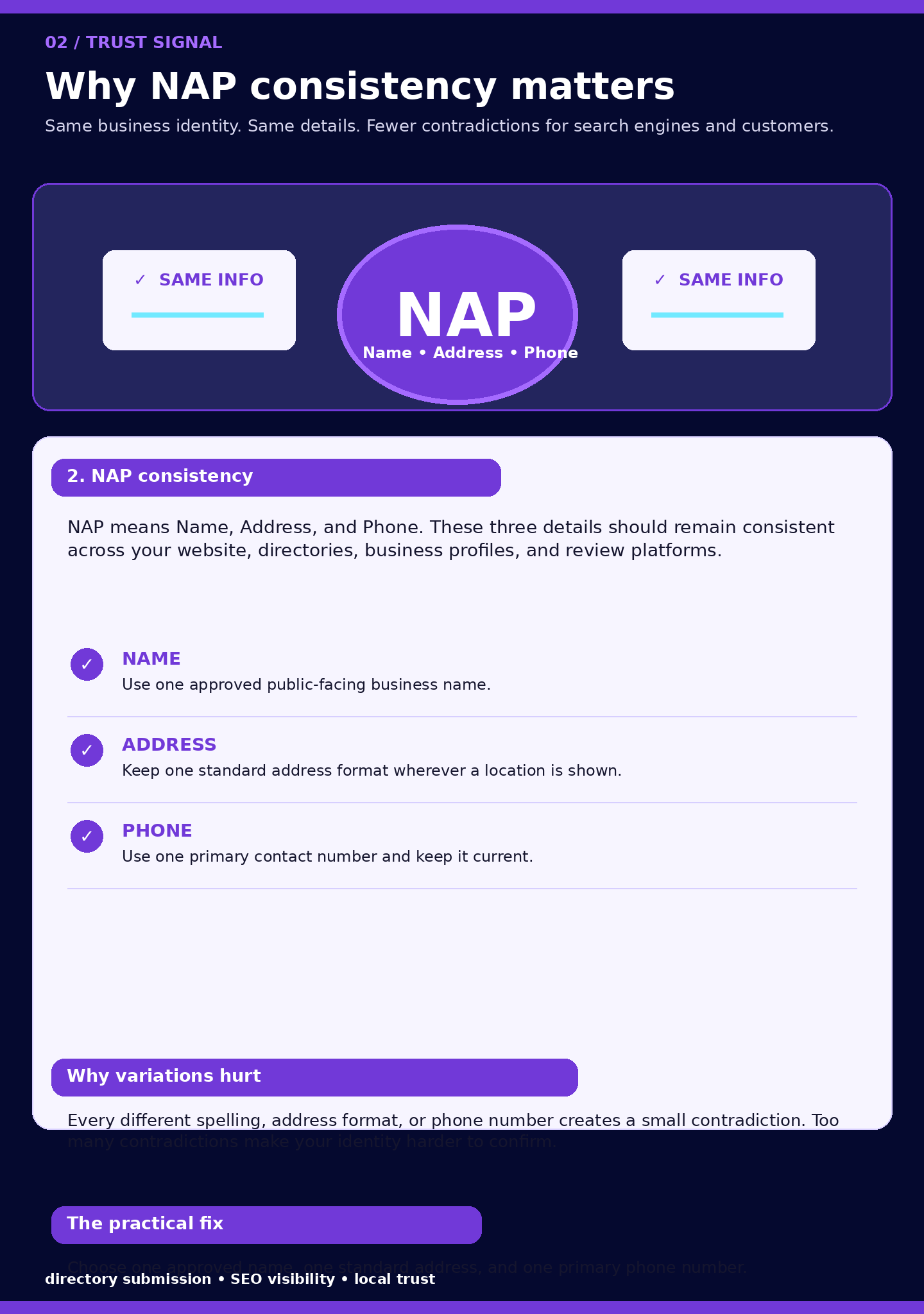
If you’re a local Australian business, your Google Business Profile (formerly Google My Business) is critical. Complete your profile with accurate information including your address, phone number, business hours, photos, and service areas. Encourage satisfied customers to leave reviews, respond to all reviews promptly, and regularly post updates about your business.
5. Prioritize Mobile Experience and Site Speed
Over 60% of searches now happen on mobile devices.If your site loads slowly or doesn’t work well on phones, you’ll lose both rankings and visitors. Use Google’s PageSpeed Insights to identify issues and make improvements.
Australian context: With Australia’s variable internet speeds outside major cities, fast-loading websites are especially important for reaching regional customers. Optimize images, enable compression, and consider using Australian-based hosting services for faster local load times.
Measuring Your SEO Success
SEO is not a “set it and forget it” strategy. You need to track your progress regularly. Here are the key metrics to monitor:
- Organic Traffic: The number of visitors coming from search engines (track in Google Analytics)
- Keyword Rankings: Where your pages appear in search results for target keywords
- Bounce Rate: The percentage of visitors who leave after viewing only one page
- Conversion Rate: How many visitors complete desired actions (purchases, sign-ups, contacts)
- Backlinks: The quantity and quality of sites linking to yours
Most of these metrics are available for free through Google Analytics and Google Search Console—essential tools for any website owner.
Common SEO Mistakes to Avoid
Even experienced marketers make these mistakes. Here’s what to watch out for:
Keyword Stuffing: Overusing keywords makes content unreadable and can result in penalties. Write naturally for humans first.
Ignoring User Intent: Ranking for keywords is useless if your content doesn’t match what searchers actually want.
Neglecting Technical Issues: Broken links, slow load times, and duplicate content can sabotage your efforts.
Buying Links: Google penalizes sites that purchase backlinks. Focus on earning them organically.
Expecting Instant Results: SEO takes time. Most sites see significant results within 4-6 months of consistent effort.
Frequently Asked Questions
Q: How long does it take to see results from SEO?
Most websites start seeing noticeable improvements in 3-6 months, with more significant results appearing around the 6-12 month mark. SEO is a long-term investment, not a quick fix. The timeline depends on factors like your industry competition, website age, current authority, and the consistency of your efforts. New websites typically take longer than established sites with existing authority. For Australian businesses targeting competitive local markets like Sydney or Melbourne, expect the longer end of this timeline.
Q: Can I do SEO myself, or do I need to hire an expert?
You can absolutely do basic SEO yourself, especially if you’re willing to learn and invest time. Many small Australian businesses successfully handle their own SEO by focusing on quality content creation, basic on-page optimization, and building their online presence gradually. However, if you’re in a highly competitive industry, have a large website, or want faster results, hiring an experienced SEO consultant or agency can be worth the investment.
Q: How much does SEO cost in Australia?
SEO costs vary widely depending on your approach. DIY SEO is free except for your time and potentially some tools ($0-$300 AUD/month). Hiring a freelance SEO consultant in Australia typically costs $1,000-$5,000 AUD/month depending on experience and scope. SEO agencies generally charge $2,500-$15,000+ AUD/month for comprehensive services. The investment usually pays for itself through increased traffic and conversions, but start with what you can afford and scale up.
Q: What’s the difference between SEO and paid advertising?
SEO focuses on earning organic (free) rankings in search results through optimization and quality content. Results build over time and provide long-term value. Paid advertising (like Google Ads) puts your website at the top of search results immediately, but you pay for each click and traffic stops when you stop paying. Both have their place—SEO for sustainable long-term growth, paid ads for immediate visibility and testing.
Q: Do I need to update my content regularly for SEO?
Yes, updating content regularly signals to search engines that your site is active and current. Google tends to favor fresh, up-to-date information, especially for topics where information changes frequently. Review your top-performing content every 6-12 months, update statistics and examples, add new sections addressing recent developments, and refresh outdated information. This “content refresh” strategy often provides a quick rankings boost.
Q: How is SEO different from appearing in AI chatbot responses like ChatGPT?
Traditional SEO focuses on ranking in search engine results pages (SERPs), while appearing in AI chatbot responses requires Answer Engine Optimization (AEO). AI models like ChatGPT, Bing Chat, and Google’s SGE pull information from their training data and real-time web searches. To appear in AI responses, your content needs to be authoritative, well-cited, clearly structured, and directly answer questions. The good news? Quality SEO and AEO strategies overlap significantly—both reward helpful, accurate, well-organized content.
Start Your SEO Journey Today
SEO might seem overwhelming at first, but the truth is that consistent effort on the basics will take you far. You don’t need to master everything overnight. Start with creating genuinely helpful content for your audience, optimize your on-page elements, ensure your site works well on mobile devices, and gradually build your authority through quality backlinks.
For Australian business owners: Don’t overlook the power of local SEO. Many businesses focus only on national rankings while missing opportunities to dominate their local market. Start by optimizing for your city and region before expanding nationally.
As we move into the AI era: Remember that whether it’s traditional Google search, AI chatbots, or voice assistants answering questions, the fundamental principle remains the same—create valuable, accurate, well-structured content that genuinely helps people.
The businesses that win at SEO aren’t necessarily the ones with the biggest budgets—they’re the ones that consistently show up, provide value, and adapt to their audience’s needs. This applies equally whether you’re optimizing for search engines or training AI models to cite your content.
Ready to boost your website traffic? Start implementing these strategies today, track your progress, and adjust based on what works. Your future customers are searching right now—whether on Google, asking ChatGPT, or using voice search—make sure they find you.
References
First-page search engine ranking importance is widely documented in digital marketing research. Users rarely navigate beyond the initial search results page.
Google’s official documentation on how search works explains the crawling, indexing, and ranking processes. Available at: how search works
E-E-A-T (Experience, Expertise, Authoritativeness, Trustworthiness) is part of Google’s Search Quality Rater Guidelines, emphasizing the importance of demonstrating credibility in content creation. Answer Engine Optimization (AEO) extends these principles to AI-powered search systems.
Mobile search traffic statistics are regularly reported by industry sources including Statista and Google’s own mobile-first indexing documentation, showing mobile devices account for the majority of global searches. Australian mobile usage patterns align with global trends, with particular emphasis on mobile commerce and local searches.

Sharing my journey and learnings in Tech and AI. As a Digital Marketing Expert, I help brands boost their visibility and sales with smart personal branding and the latest AI tricks.
Leave a Reply